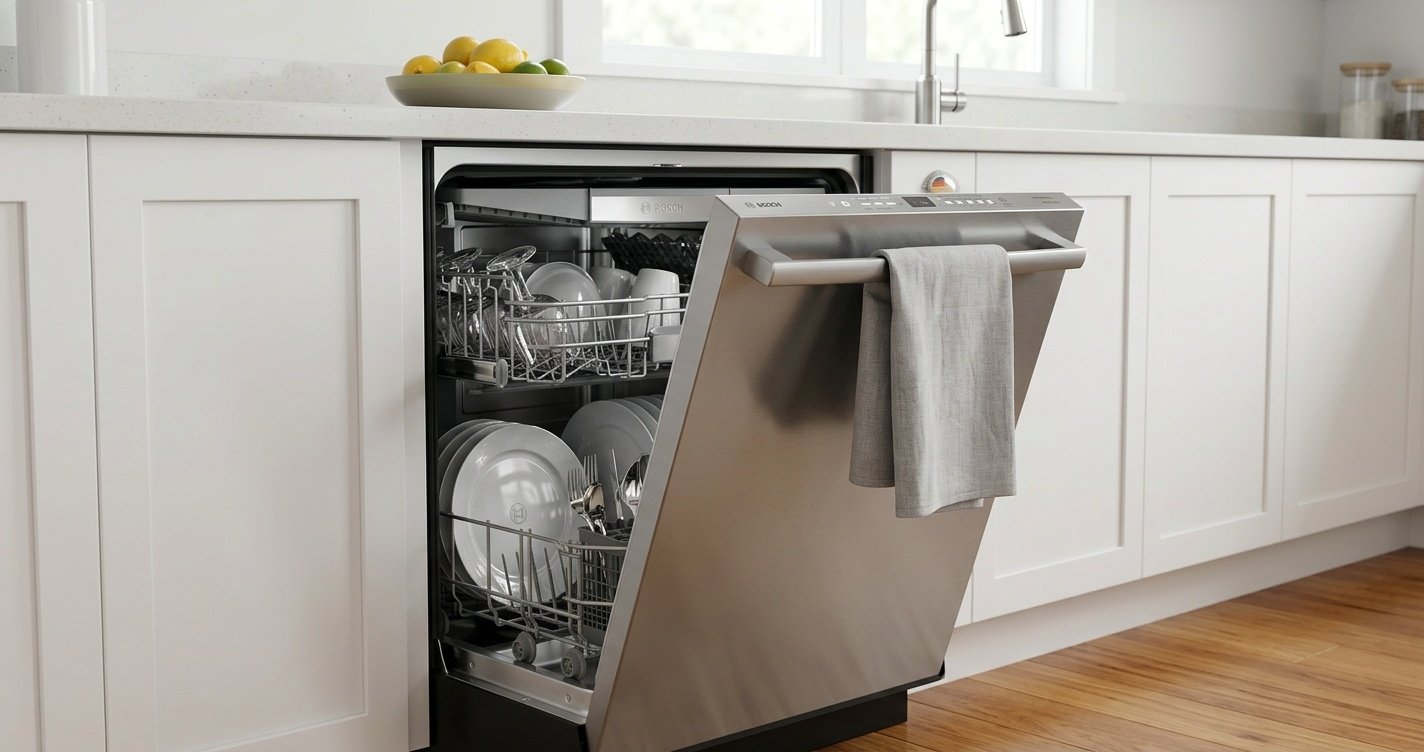
The best cutting board under $35 depends on what you cut most. Bamboo is the best all-around choice for everyday prep — durable, knife-friendly, and affordable. Plastic/poly boards are the safest pick for raw meat because they’re dishwasher-safe and non-porous. Composite (wood-fiber) boards split the difference: dishwasher-safe like plastic, but gentler on knife edges like wood.
If you only buy one: a medium bamboo board with a juice groove and non-slip feet covers 90% of home cooking tasks for under $25.
Read More: Are Cuisinart Knives Worth Buying? Honest Review
Table of contents
How We Picked (Criteria That Actually Matter)
Under $35, you won’t get every feature — so it’s worth knowing which trade-offs matter and which don’t.
- Material safety — does it resist knife scarring (where bacteria hide) and is it non-porous?
- Knife-friendliness — does it dull blades, or is it soft enough to protect an edge?
- Stability — does it have non-slip feet or a rubber edge, or does it skate around the counter?
- Cleanup — dishwasher-safe, or hand-wash and dry only?
- Size-to-price ratio — single board vs. a nesting set (sets are almost always better value under $35)
Best Cutting Boards Under $35, by Category
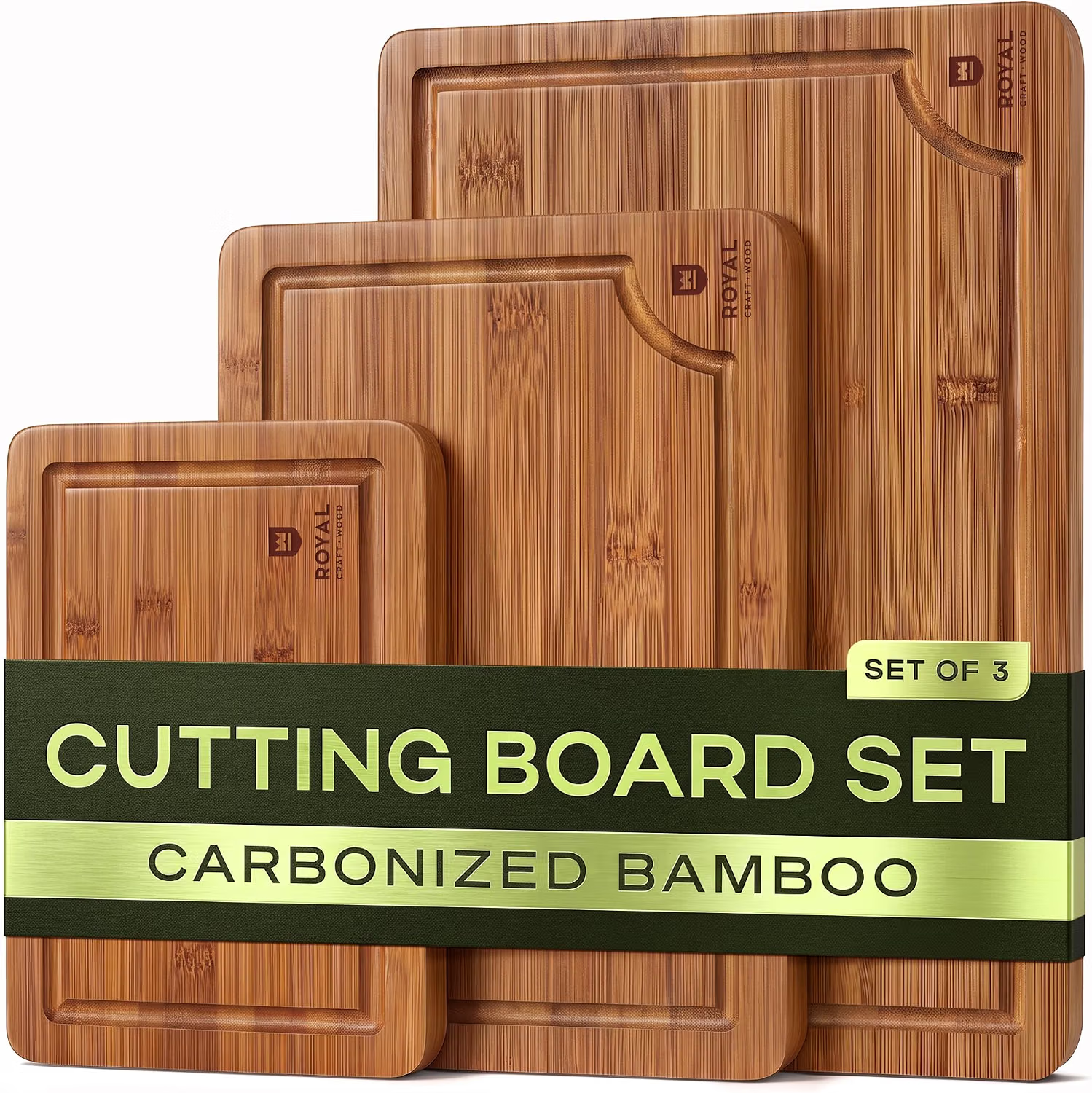
1. Best Overall: Bamboo Board with Juice Groove
Bamboo is harder than most hardwoods, naturally moisture-resistant, and one of the few materials that stays under $25–$30 even at a large size. A juice groove around the edge keeps meat and fruit juice off the counter. Best for: vegetables, bread, cheese, general prep.
Watch out for: bamboo isn’t dishwasher-safe — hand wash and dry standing up to prevent warping.
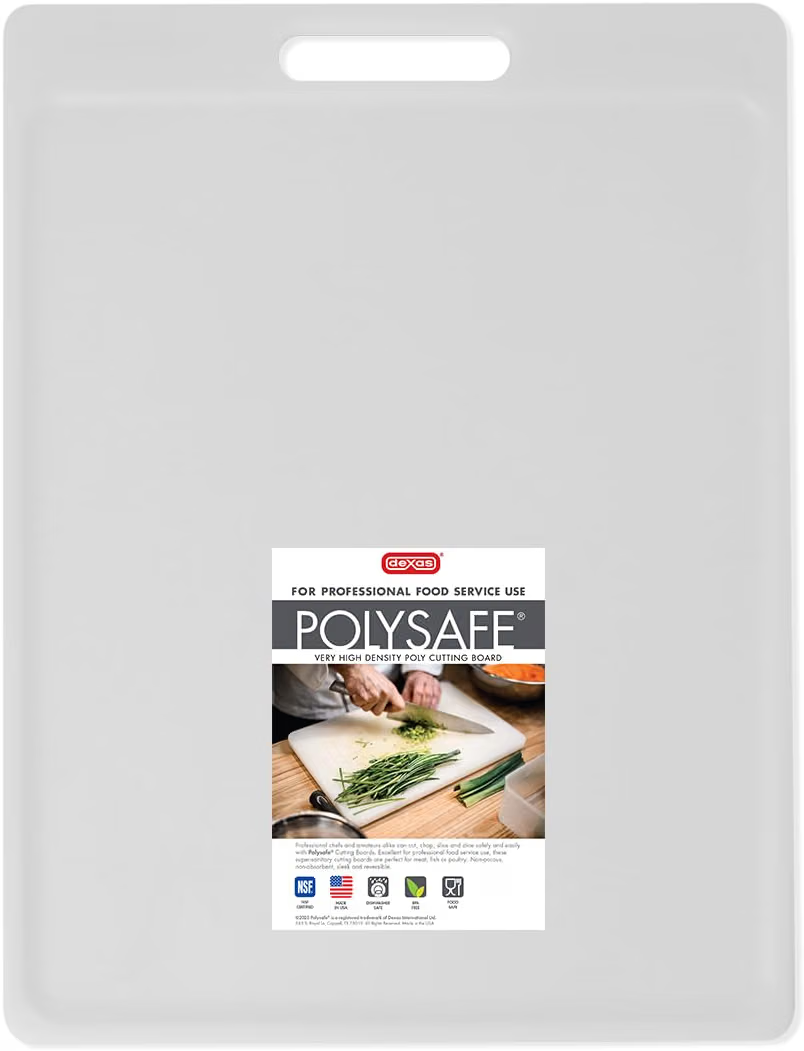
2. Best for Raw Meat: NSF-Certified Poly/Plastic Board
Plastic boards are non-porous, dishwasher-safe, and easiest to sanitize — the main reason food-safety-focused cooks keep one dedicated to raw meat, poultry, and fish. Look for an NSF certification, which signals it meets commercial food-safety standards, and a non-slip surface so it doesn’t shift mid-chop.
Watch out for: deep knife grooves that form over time and can trap bacteria — replace when scarring gets heavy.
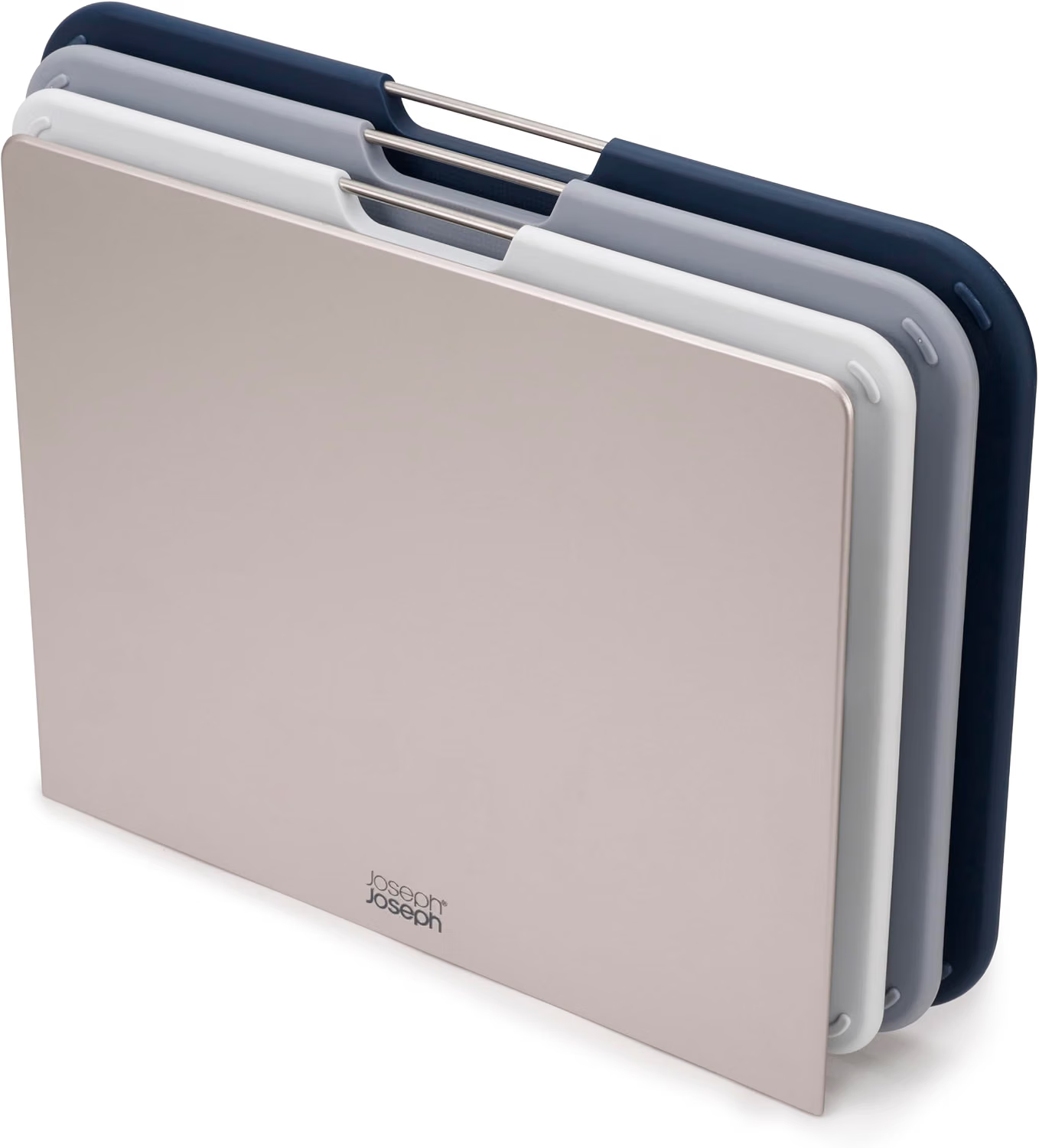
3. Best Value: 3-Piece Nesting Set
A three-board set (small, medium, large) in bamboo or plastic almost always beats buying one board at the same price point, because it gives you separation between produce, meat, and ready-to-eat food without three separate purchases. Great for small kitchens with limited storage.
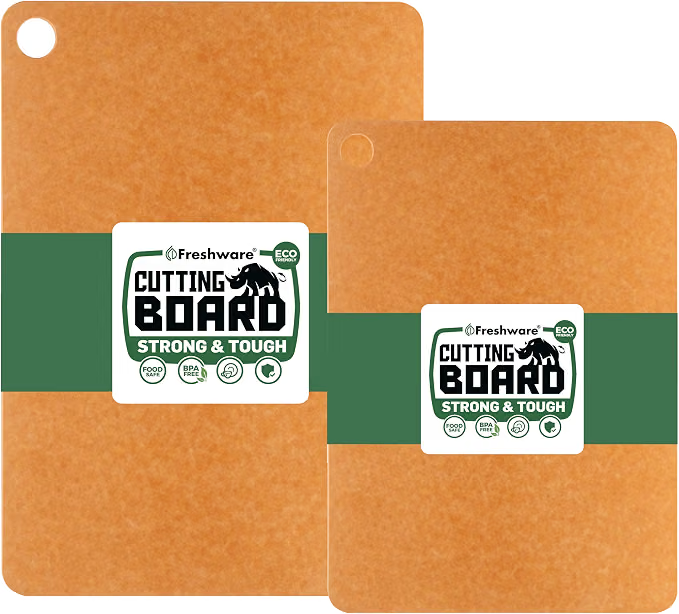
4. Best for Knife Care: Wood-Fiber Composite Board
Composite boards (compressed wood fiber, sometimes called “paper composite”) are dishwasher-safe and gentler on blade edges than plastic — a rare combination at this price. They resist warping and staining better than solid wood too.
Watch out for: they can feel lighter/thinner than solid wood, so they slide more without a rubber-edged mat underneath.
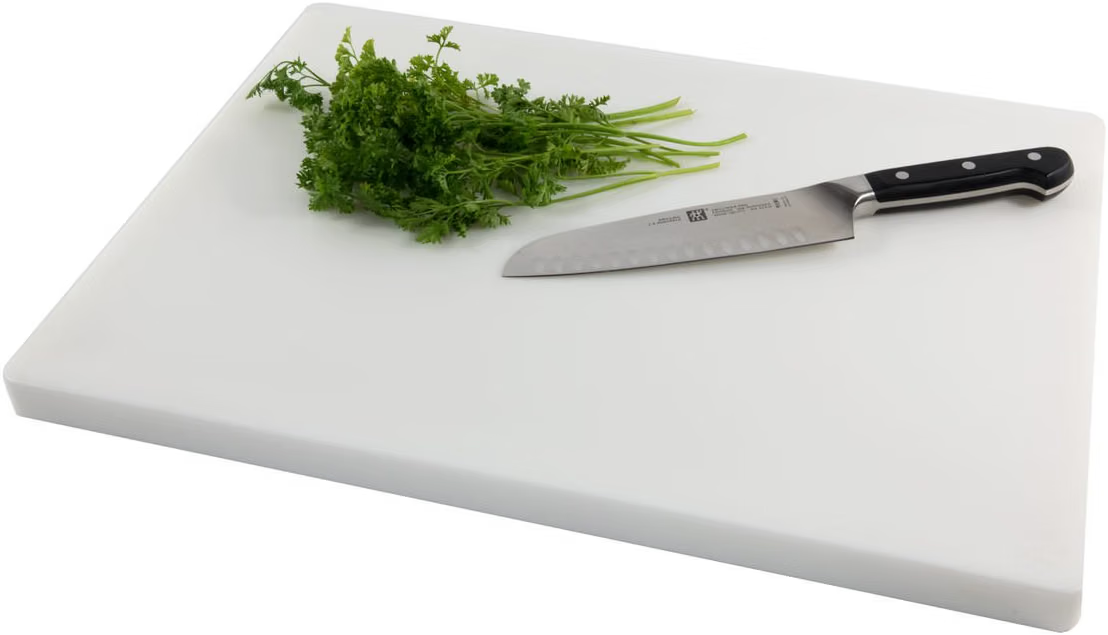
5. Best for Small Spaces: Single Large Poly Board (15″x20″+)
If storage space isn’t an issue but counter space is tight during prep, one oversized dishwasher-safe board (instead of a set) reduces clutter and gives you full coverage for big jobs like carving or holiday cooking.
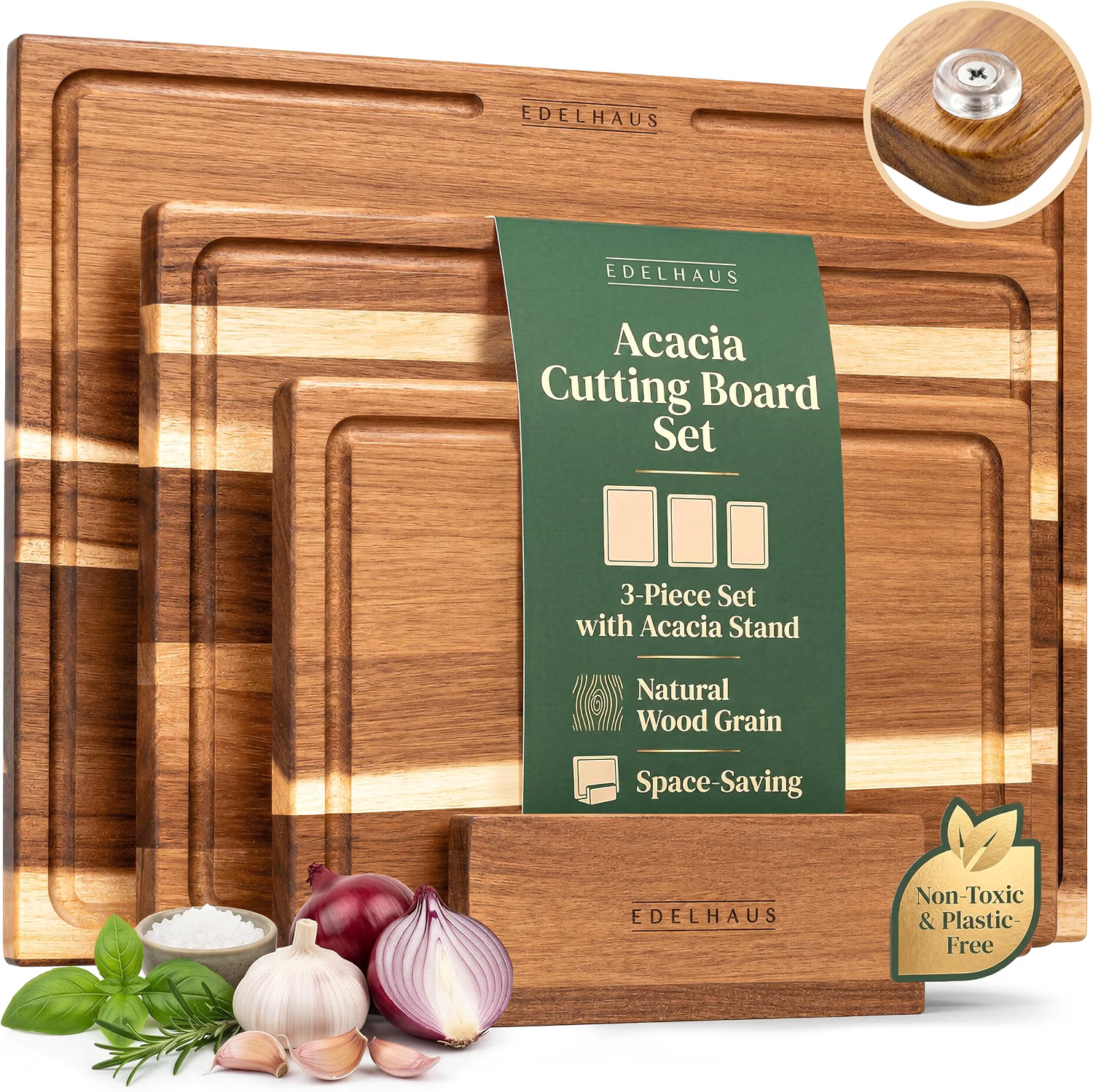
6. Best for Style + Serving: Acacia Wood Board
Acacia is denser and more decorative than bamboo, with visible grain that makes it double as a serving/charcuterie board. It’s a good “looks nice on the counter” pick, though it’s better for light tasks (bread, cheese, fruit) than heavy daily chopping at this price tier.
Which One Should You Buy?
- Cook mostly vegetables, bread, and cheese? → Bamboo board with a juice groove
- Cook raw meat often? → NSF-certified plastic or poly board
- Want the best value for a small kitchen? → 3-piece nesting set
- Care most about knife sharpness? → Wood-fiber composite board
- Want something that looks good out on the counter? → Acacia wood board
People Also Ask
What is the healthiest cutting board material?
Wood and bamboo are generally considered the most hygienic for everyday use because their natural fibers pull bacteria below the surface, where it dies off, rather than letting it linger in surface scratches like plastic can. For raw meat specifically, food safety guidance still favors a dedicated, easy-to-sanitize plastic or composite board.
Is bamboo or plastic better for cutting boards?
Bamboo is better for knife care, general prep, and countertop appearance. Plastic is better for raw meat, dishwasher convenience, and long-term sanitation, since it can be washed at high heat without warping.
How many cutting boards should I own?
Most food-safety guidance recommends at least two: one for raw meat/poultry/fish and one for produce and ready-to-eat food, to avoid cross-contamination. A 3-piece set covers this easily.
Are cheap cutting boards under $35 actually good?
Yes, for home use. At this price, you’re mainly giving up size, thickness, and premium finishes — not core function. A well-reviewed bamboo, plastic, or composite board under $35 will perform the everyday job just as well as a $100+ board; you’re paying more above that price for aesthetics, durability over many years, and edge-grain wood construction.
How often should I replace a cutting board?
Replace a board once it has deep, visible knife grooves that don’t come clean, or once it’s warped, cracked, or has a persistent odor — typically every 1–3 years for boards used daily.
Can you put a wood cutting board in the dishwasher?
No — heat and prolonged water exposure will warp or crack solid wood and bamboo. Hand wash, dry immediately, and stand it upright to air dry. Plastic and composite boards are dishwasher-safe.
Conclusion
You don’t need to spend $100+ to get a cutting board that’s safe, durable, and easy to live with. Under $35, bamboo is the best all-around pick for everyday prep, plastic wins for raw meat and easy cleanup, and a nesting set gives you the best value if you want both without buying twice. Match the board to how you actually cook — not just the lowest price — and it’ll hold up for years.