Clean Dishwasher

How to Load a Dishwasher Step by Step (Complete Guide)

Summary

To load a dishwasher correctly, place plates on the bottom rack facing inward, glasses and cups on the top rack upside down, and separate cutlery in a basket or tray. Avoid overcrowding and blocking spray arms. Proper loading improves cleaning performance, protects items, and ensures energy-efficient washing every cycle.

Loading a dishwasher correctly is not just about fitting everything in—it directly affects cleaning performance, hygiene, and energy efficiency. Many people unknowingly overload or misplace items, which leads to dirty dishes after a full cycle.

This guide breaks the process into clear, practical steps so you can maximise space, avoid damage, and ensure sparkling results every time.

Understanding Dishwasher Loading Basics

dishwasher loading guide, dishwasher basics, how dishwashers work, cleaning efficiency, kitchen appliance tips

A dishwasher works by spraying hot water and detergent through rotating arms. Proper loading ensures water reaches every surface evenly. Blocking spray arms or overcrowding reduces cleaning power significantly.

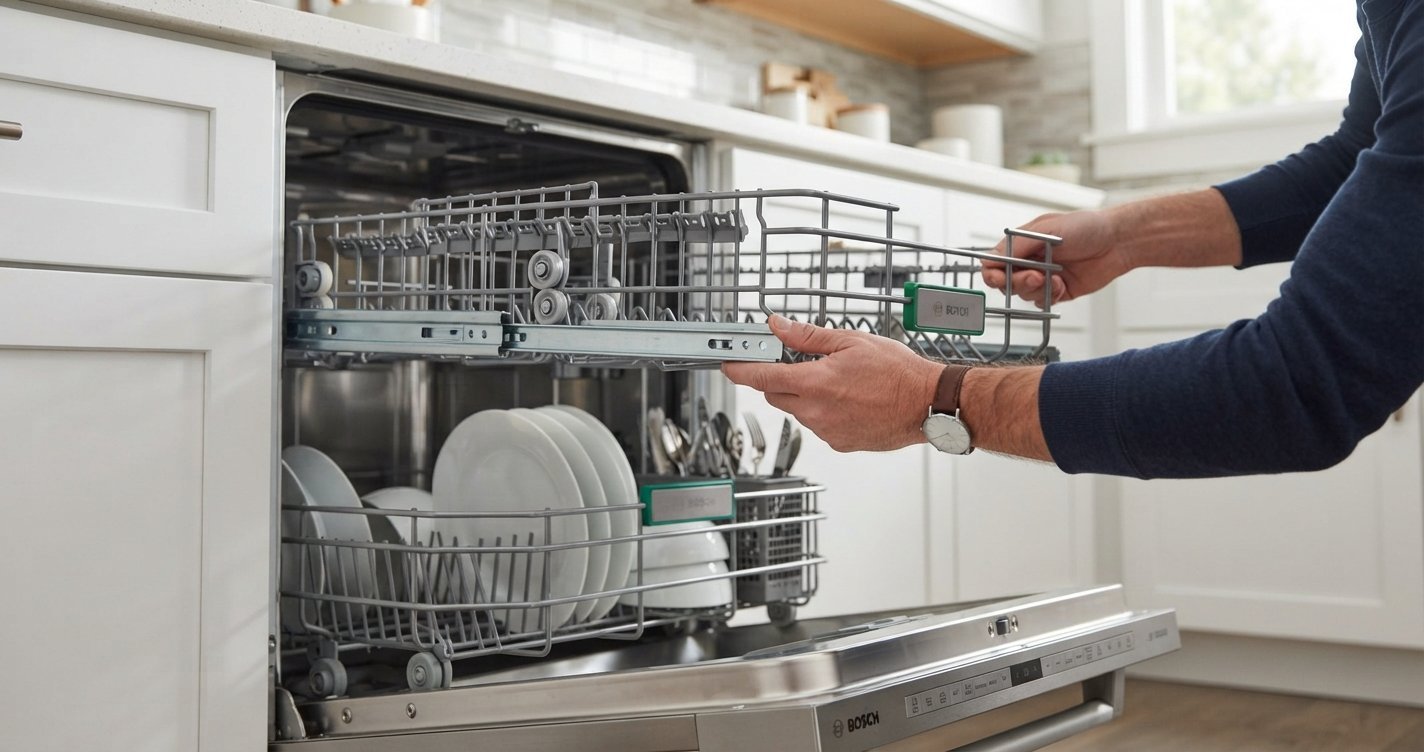
Dishwashers are designed with zones: top rack (lighter items), bottom rack (heavier, dirtier items), and cutlery basket. Understanding this structure is the foundation of correct loading.

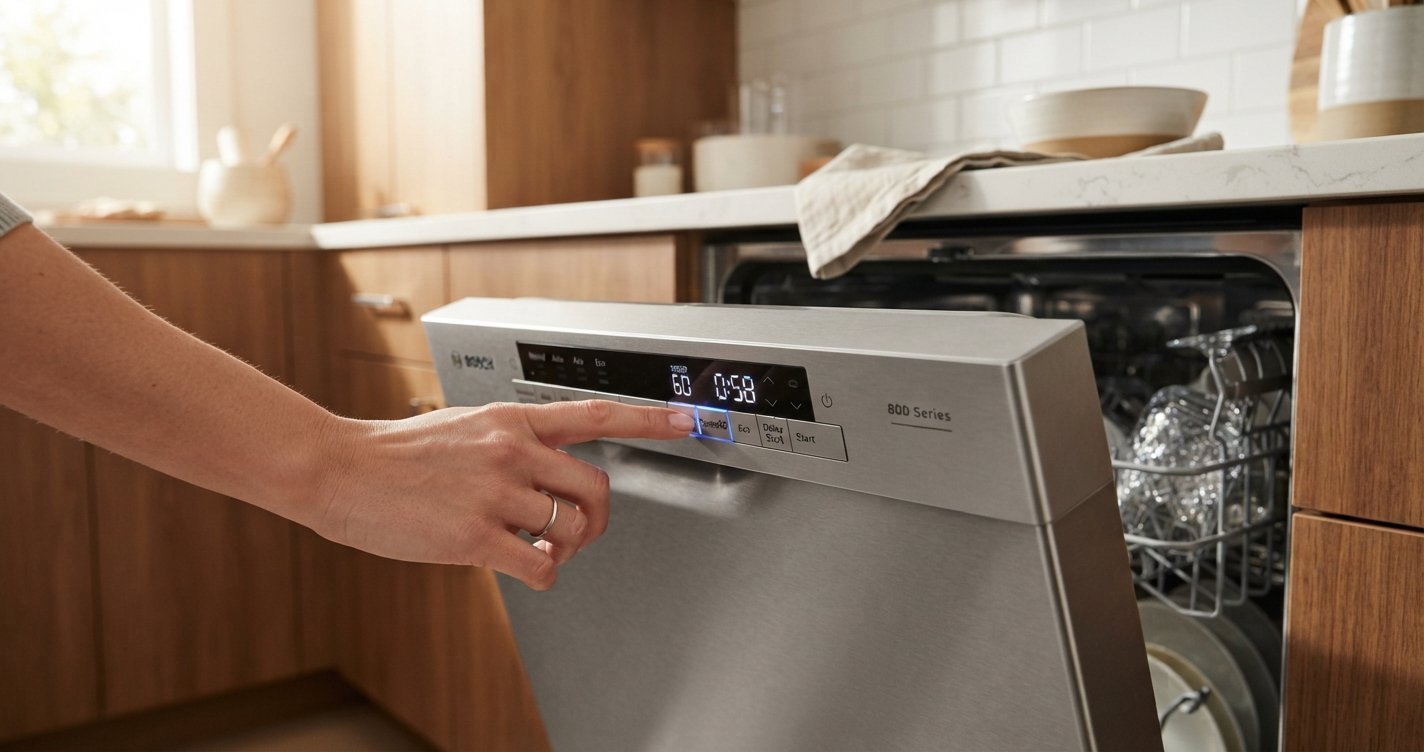
Modern dishwashers from brands like Bosch, Whirlpool, and Siemens are engineered for efficiency, but they still rely heavily on user loading habits.

🍽️ Bottom Rack Loading Strategy (Plates, Pots & Heavy Items)

bottom rack dishwasher, plate loading, pots and pans dishwasher, heavy dish placement, dishwasher organisation

The bottom rack is designed for heavily soiled and bulky items like plates, pans, and serving dishes. Always place plates facing inward toward the spray arms so water can clean food residue effectively.

Avoid stacking items tightly. Leave small gaps so water circulation is not blocked. Large pots and baking trays should be angled downward to allow proper drainage.

Never place delicate glassware or plastics here, as the heat and pressure are much stronger on the bottom rack.

🥄 Top Rack Loading Technique (Glasses, Cups & Light Items)

top rack dishwasher, glass safety dishwasher, cups loading, plastic dishwasher safe, fragile items washing

The top rack is ideal for glasses, mugs, bowls, and dishwasher-safe plastics. Position cups upside down to prevent water pooling inside.

Glasses should be spaced apart to avoid cracking or chipping during wash cycles. Light bowls should be angled slightly for better water flow.

Avoid placing large or tall items that may block the upper spray arm, as this reduces overall cleaning efficiency.

🍴 Cutlery Basket Organisation (Knives, Forks & Spoons)

cutlery dishwasher loading, knife safety dishwasher, utensil basket tips, silverware cleaning, best cutlery arrangement

Load forks and spoons mixed together to prevent nesting, which blocks water from reaching surfaces. Place handles downward for better cleaning, but knives should be placed handle-up for safety.

Sharp knives should be separated from other utensils to avoid damage and reduce injury risk when unloading.

Some modern dishwashers include a cutlery tray instead of a basket—this allows better separation and improved cleaning performance.

Common Dishwasher Loading Mistakes to Avoid

Overloading is the most common mistake, preventing water and detergent from circulating properly. Another frequent issue is placing items that block spray arms.

Rinsing dishes too thoroughly before loading can also reduce detergent effectiveness in modern dishwashers designed for food-sensing cycles.

Mixing incompatible items like wood, non-dishwasher-safe plastics, or fragile glassware can cause damage or poor cleaning results.

Andy

Andy is a kitchen appliance expert with over 10 years of experience testing, reviewing, and analyzing products. He shares practical insights across platforms, helping readers confidently choose the best appliances for their needs.

Related articles