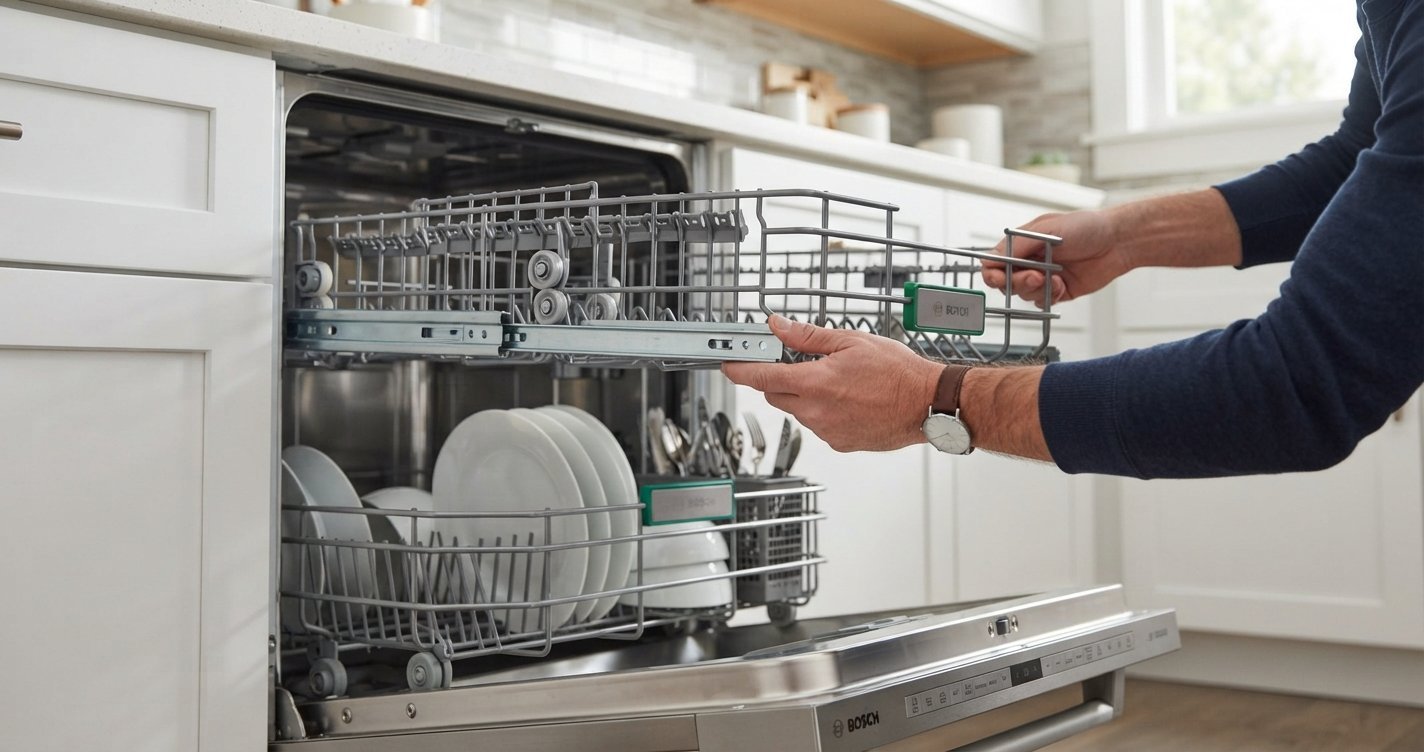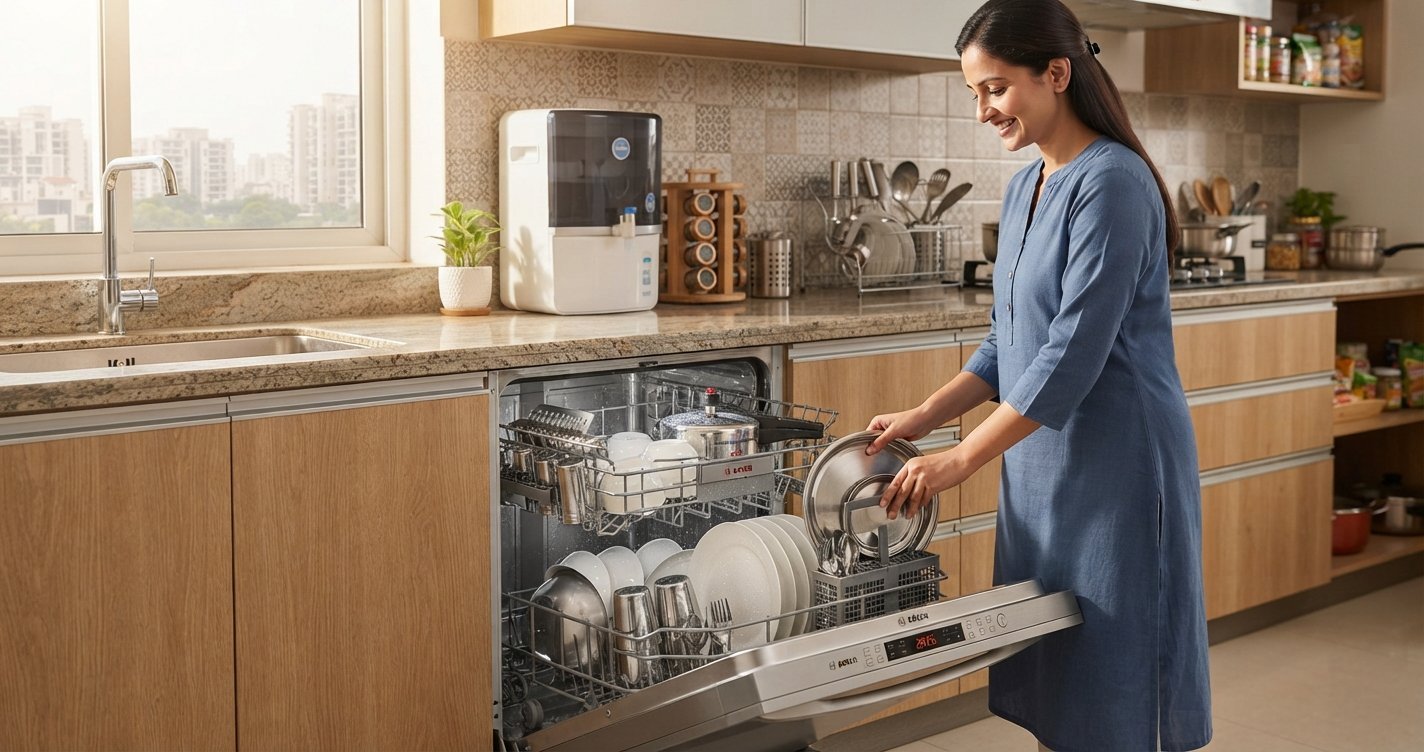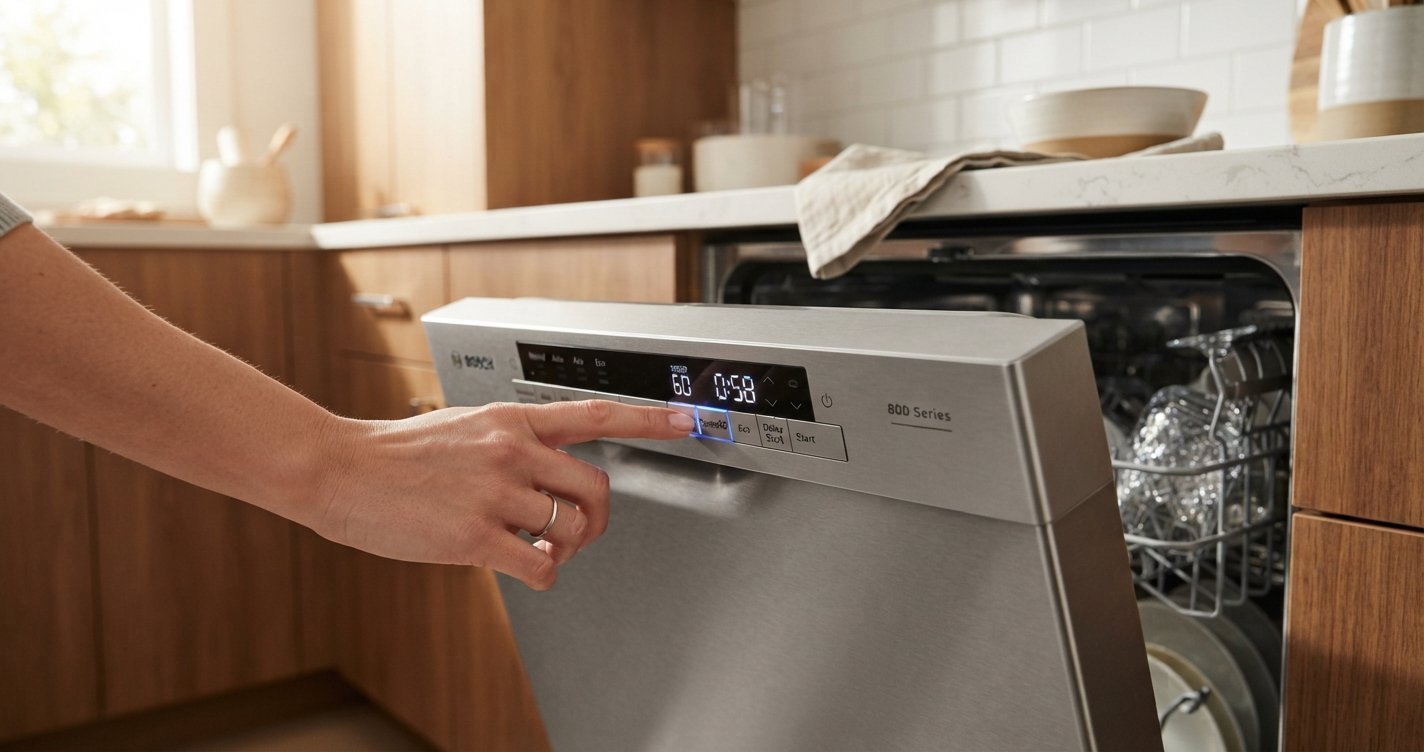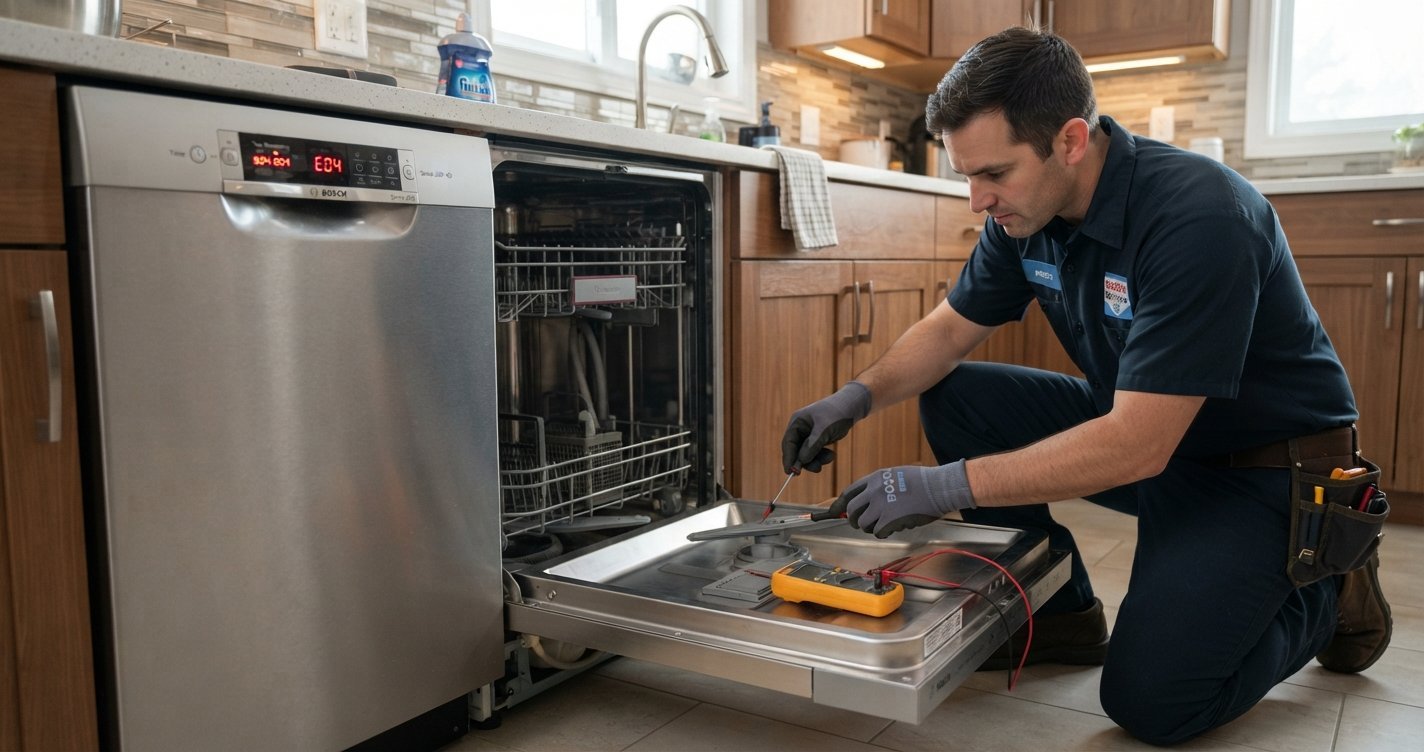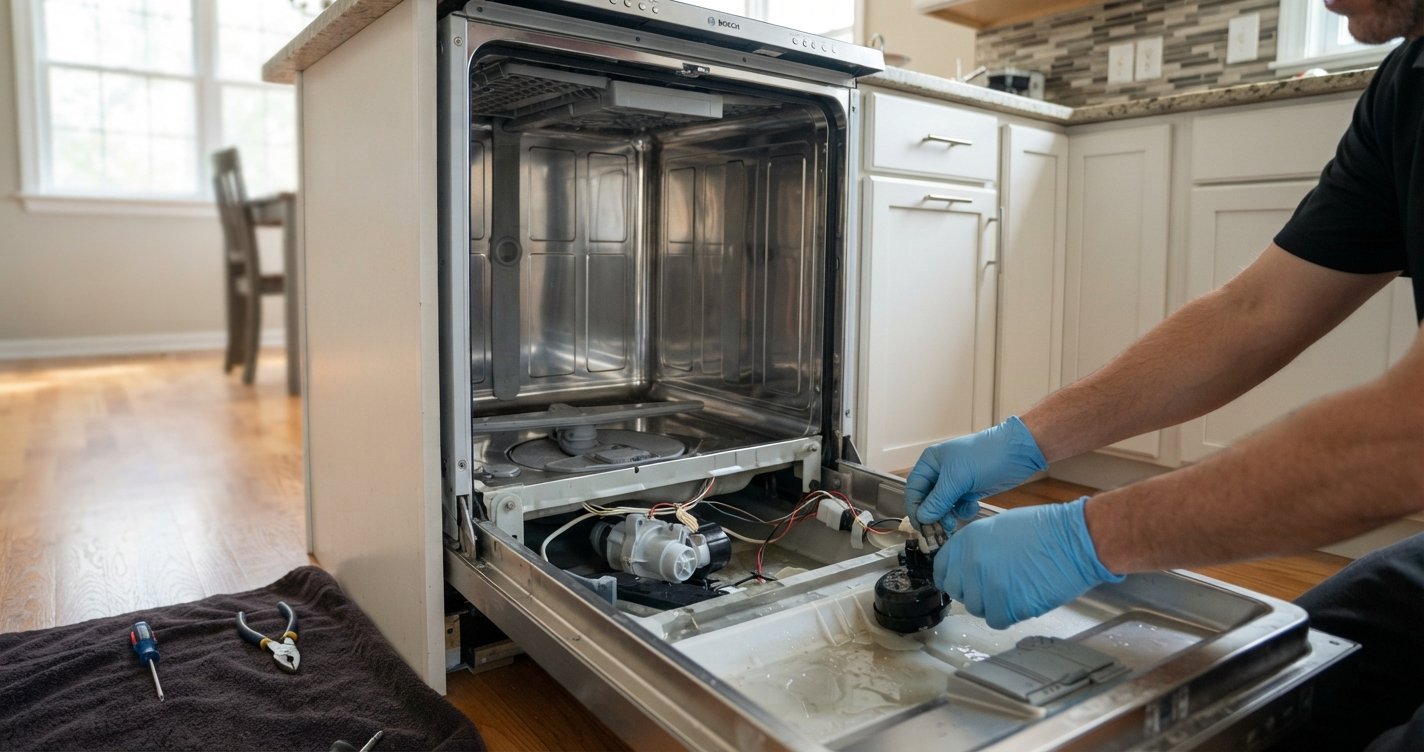
A dishwasher is designed to drain dirty water through your home’s plumbing system. Because the dishwasher and kitchen sink often share the same drain line, a problem with one can sometimes affect the other. This can lead to an important question: Can a dishwasher clog up a sink?
Yes, a dishwasher can contribute to a clogged sink, although the dishwasher itself is not usually the direct cause. In most cases, food debris, grease, buildup, or a blockage in the shared drainpipe prevents wastewater from flowing properly.
Read More: Add a Tee Hot Water Valve for a Dishwasher
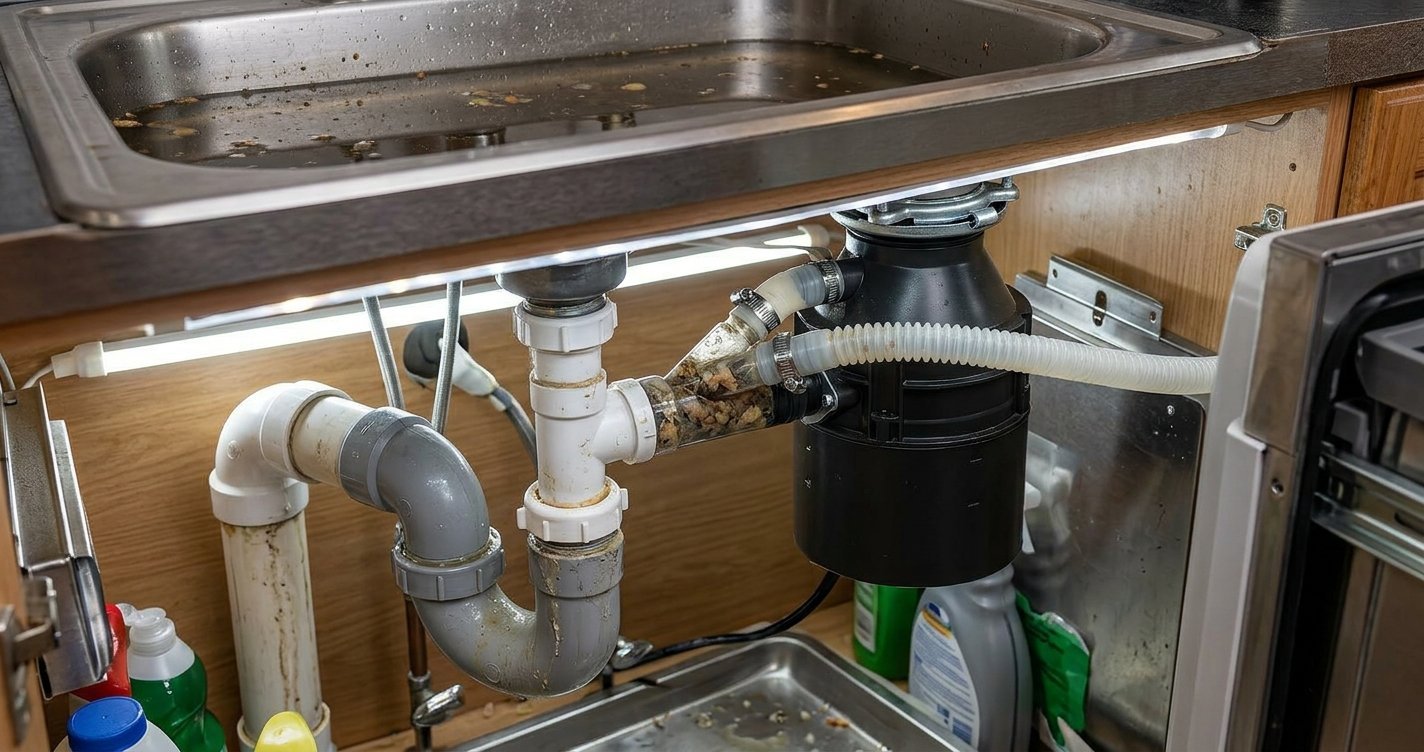
Table of contents
How Is a Dishwasher Connected to the Sink?
A dishwasher typically drains through a hose connected to the kitchen sink’s plumbing. Depending on the plumbing setup, the dishwasher drain hose may connect to the garbage disposal or a dishwasher branch fitting on the sink’s drainpipe.
When the dishwasher runs, wastewater flows through this hose and into the home’s drainage system. If there is a blockage farther down the shared drain, the water may not be able to escape normally. Because the sink and dishwasher can share part of the same drainage path, symptoms may appear in either appliance.
Can a Dishwasher Cause a Sink to Back Up?
A dishwasher can contribute to sink backup in several ways.
A clogged shared drain
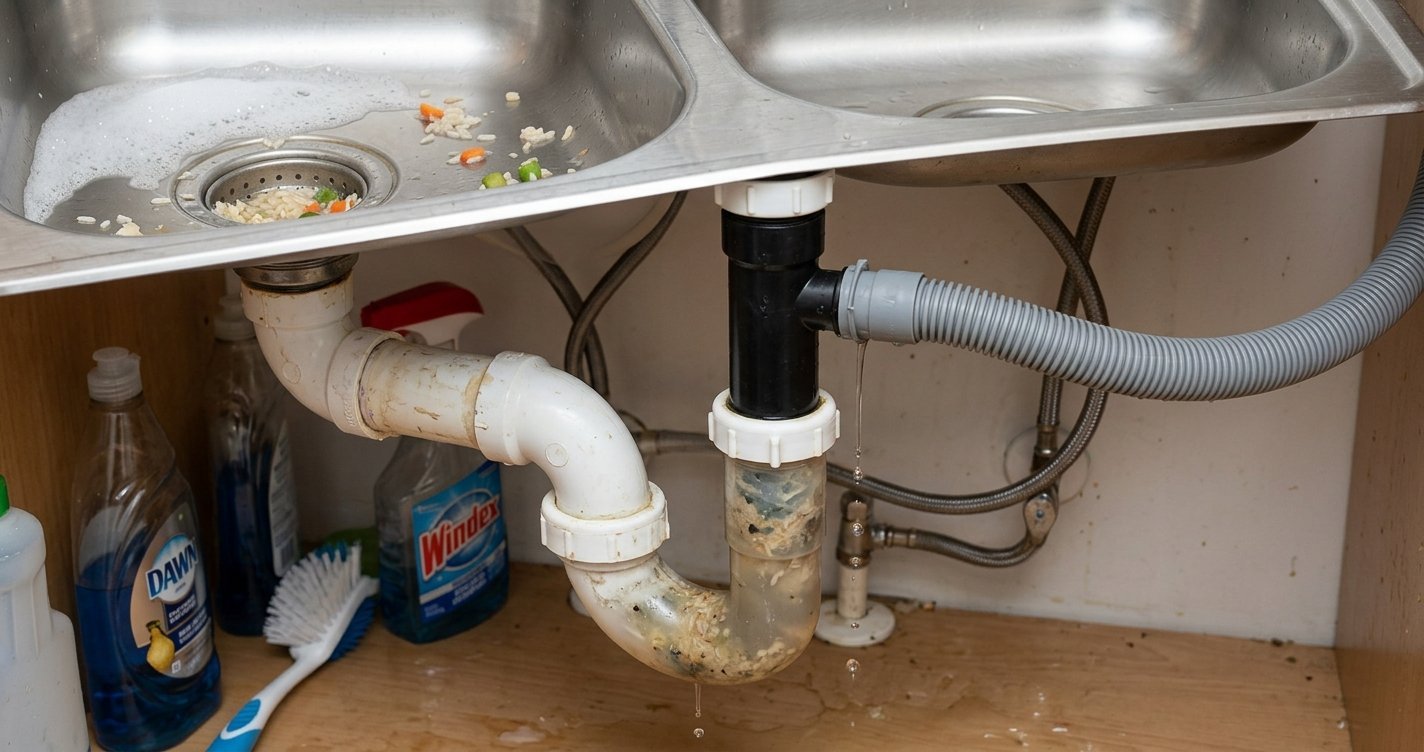
The most common reason is a blockage in the drainpipe used by both the sink and dishwasher. Food particles, grease, soap residue, and other debris can gradually accumulate inside the pipe. When the dishwasher pumps out water, the increased volume can expose the blockage. Water may then back up into the sink.
A clogged dishwasher drain hose
The dishwasher’s drain hose can become kinked or blocked. This can prevent wastewater from leaving the dishwasher properly. Depending on the plumbing configuration, drainage problems may also cause water to appear in or around the sink.
A blocked garbage disposal connection
If the dishwasher drains into a garbage disposal, a blockage in the disposal or its inlet can interfere with dishwasher drainage. A recently installed disposal can also cause problems if the dishwasher knockout plug was not removed before installation.
A clogged air gap
Some kitchen plumbing systems use an air gap mounted near the sink faucet. Food debris or mineral buildup can block the air gap and interfere with proper dishwasher drainage.
Signs Your Dishwasher and Sink Have a Drainage Problem
Watch for these warning signs:
- The sink fills with water when the dishwasher runs.
- Dirty water backs up into the sink.
- The dishwasher leaves standing water after a cycle.
- The sink drains slowly.
- You hear gurgling sounds from the sink or dishwasher.
- The dishwasher or sink produces an unpleasant drain odor.
- Water leaks from the dishwasher drain connection.
If both the sink and dishwasher show drainage problems at the same time, a blockage in the shared plumbing is a likely possibility.
How to Unclog a Sink After Running the Dishwasher
If the sink is draining slowly but is not completely blocked, you may be able to address a minor clog yourself.
1. Remove visible debris
Check the sink strainer and remove food particles or other debris that could be restricting drainage.
2. Try a sink plunger
Put enough water in the sink to cover the plunger’s cup. Create a firm seal and plunge several times. If you have a double-bowl sink, block the other drain while plunging for better pressure.
3. Check the garbage disposal
If your dishwasher drains through the disposal, make sure the disposal is clear and operating normally. Always turn off power to the disposal before inspecting or working around it.
4. Inspect the dishwasher drain hose
Look for obvious kinks or bends in the hose. A restricted hose can interfere with dishwasher drainage.
5. Check the air gap
If your sink has an air gap, remove and inspect its cap for visible debris. Cleaning the opening may restore proper drainage. If these steps do not resolve the problem, the blockage may be farther inside the drain system.
Should You Use Chemical Drain Cleaners?
Chemical drain cleaners are not always a good choice for a kitchen sink connected to a dishwasher. They may damage certain plumbing components, create hazardous splashes, and leave corrosive chemicals in the drain system.
Before using a chemical product, check the manufacturer’s instructions and consider safer mechanical methods such as plunging or using an appropriate drain snake. If the blockage is persistent, professional plumbing service may be the better option.
How to Prevent Dishwasher and Sink Clogs
Regular maintenance can reduce the likelihood of drainage problems.
- Scrape large food particles from dishes before loading the dishwasher.
- Avoid pouring grease or cooking oil down the sink.
- Keep the sink strainer clean.
- Clean the garbage disposal according to its manufacturer’s instructions.
- Check the dishwasher filter regularly and clean it as recommended.
- Make sure the dishwasher drain hose is properly routed and free of kinks.
- Clean the sink’s air gap if your plumbing system has one.
- Address slow drainage before it develops into a complete blockage.
When Should You Call a Plumber?
A professional can help when basic troubleshooting does not solve the problem or when the blockage appears to be deeper in the plumbing system.
Consider calling a plumber if:
- The sink repeatedly backs up when the dishwasher runs.
- Multiple fixtures drain slowly.
- Water repeatedly backs up into the sink.
- You notice a plumbing leak.
- The dishwasher cannot drain despite having a clear filter and hose.
- A plunger does not clear the blockage.
- You suspect a blockage inside the main drain line.
A recurring clog can indicate a larger plumbing issue rather than a problem with the dishwasher itself.
The Bottom Line
Can a dishwasher clog up a sink? Yes, but usually indirectly. Since dishwashers and kitchen sinks can share portions of the same drainage system, a blockage can cause wastewater from the dishwasher to back up into the sink.
Keeping the sink, garbage disposal, dishwasher filter, and drain connections clean can help prevent many common problems. If both appliances continue to back up or drain slowly, the obstruction may be deeper in the plumbing and may require professional attention.
FAQs
Can a dishwasher cause a kitchen sink to back up?
Yes. If the dishwasher and sink share a drainpipe, a blockage in that drainage system can cause water from the dishwasher to back up into the sink.
Why does my sink fill with water when my dishwasher runs?
A partial or complete blockage in the shared drain line can prevent dishwasher wastewater from flowing away properly. The water may then back up through the sink.
Can a clogged garbage disposal affect the dishwasher?
Yes. When a dishwasher drains through a garbage disposal, a blockage in the disposal or its dishwasher inlet can interfere with drainage.
Why is my dishwasher not draining into the sink?
A dishwasher should normally drain through its designated drain connection rather than simply emptying into the sink. A clogged filter, blocked drain hose, air-gap blockage, or plumbing obstruction can prevent proper drainage.
Can food scraps clog a dishwasher drain?
Yes. Large food particles can contribute to blockages, especially if the dishwasher filter or drain system is not cleaned regularly.
Is it safe to use a drain cleaner when a dishwasher is connected?
It is best to use caution. Chemical drain cleaners can pose risks to plumbing components and people handling the chemicals. Follow product instructions carefully and consider mechanical methods or professional assistance for persistent clogs.
How can I stop my dishwasher from backing up into the sink?
Start by checking the dishwasher filter, drain hose, garbage disposal connection, and sink drain for obvious blockages. If the problem continues, the shared drainpipe may need professional cleaning or inspection.
When is a dishwasher backup a plumbing emergency?
A single slow drain is generally less urgent than continuous wastewater backup. However, significant flooding, sewage-like water, an active leak, or backups affecting multiple fixtures should be addressed promptly by a qualified plumber.