Choosing the right cookware is an important step toward creating a healthier kitchen. The cookware you use every day can influence cooking performance, food quality, cleaning routines, and overall kitchen safety. Omichef cookware offers an opportunity to make everyday cooking more convenient while encouraging mindful cookware selection and healthier food preparation habits.
Whether you are preparing breakfast, cooking family meals, or experimenting with new recipes, selecting suitable cookware can make a meaningful difference. From material quality and heat distribution to maintenance and durability, understanding the essential features of cookware helps you make a more informed decision.
Read More: Best Dishwasher Detergents Compared (2026 Guide)
Table of contents
Why Choosing the Right Cookware Matters
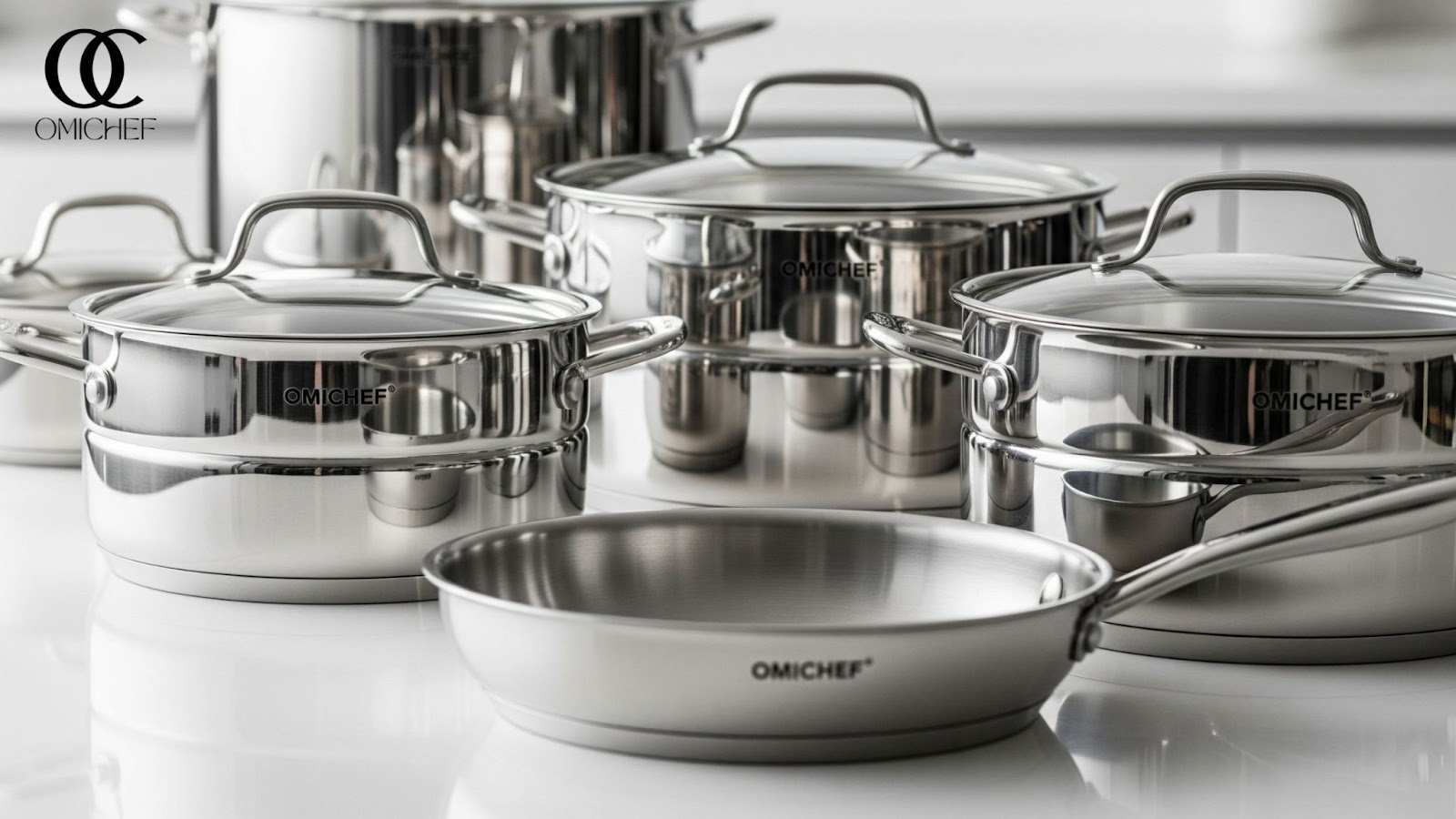
Cookware is more than a kitchen accessory. It directly interacts with food during preparation and cooking. Poor-quality or damaged cookware may affect cooking consistency, while unsuitable materials can create unnecessary maintenance and food-safety concerns.
When considering Omichef cookware, focus on these important benefits:
- Safer food preparation: Choose cookware made from food-contact materials that meet applicable safety standards.
- Better heat distribution: Even heating helps reduce hot spots and unevenly cooked meals.
- Convenient cooking: Practical designs can simplify everyday meal preparation.
- Easy maintenance: Cookware that is easy to clean supports better kitchen hygiene.
- Long-term value: Durable cookware can reduce the need for frequent replacements.
The healthiest cookware choice is one that combines appropriate materials, proper handling, and consistent maintenance.
7 Omichef Cookware Tips for a Healthy Kitchen
1. Choose Food-Safe Cookware Materials
Material selection should be your first consideration when purchasing cookware. Different materials offer different cooking characteristics, maintenance requirements, and durability.
Look for cookware with clearly identified material specifications and food-contact safety information. Stainless steel, appropriately manufactured ceramic-coated cookware, and properly maintained cast iron are common options for home kitchens.
With Omichef cookware, check the product specifications to understand the cooking surface, construction, and recommended usage before purchasing.
2. Look for Even Heat Distribution
Uneven heating can cause food to burn in certain areas while remaining undercooked elsewhere. This can affect cooking quality and make meal preparation less predictable.
Consider cookware with:
- A stable and well-constructed base.
- Consistent heat distribution.
- Suitable thickness for its intended cooking purpose.
- Compatibility with your stove or cooking surface.
Even heating also makes it easier to control cooking temperatures and avoid unnecessarily high heat.
3. Avoid Excessively High Cooking Temperatures
High temperatures are not always necessary for preparing delicious meals. Cooking at moderate temperatures can help prevent burning, reduce excessive smoke, and protect certain cookware surfaces.
For healthier cooking:
- Use low or medium heat for everyday recipes when appropriate.
- Avoid leaving empty cookware on a hot burner.
- Follow the manufacturer’s maximum temperature recommendations.
- Allow cookware to cool before cleaning.
These simple habits can help maintain cookware performance and support more controlled cooking.
4. Maintain Nonstick Surfaces Properly
If your Omichef cookware includes a nonstick coating, proper maintenance is essential.
Scratched, peeling, or deteriorating coatings should not be ignored. Follow the manufacturer’s instructions for cleaning, utensils, and temperature limits.
Helpful maintenance practices include:
- Use silicone, wooden, or other manufacturer-approved utensils.
- Avoid abrasive scrubbers.
- Do not overheat empty nonstick cookware.
- Replace cookware when its coating becomes significantly damaged.
Proper care can extend the useful life of cookware and help maintain a reliable cooking surface.
5. Choose Cookware That Is Easy to Clean
Kitchen hygiene is an important part of healthy food preparation. Food residue, grease, and moisture can accumulate when cookware is not cleaned properly.
Choose cookware with practical designs that make cleaning easier. Smooth cooking surfaces, accessible corners, and suitable handles can simplify everyday maintenance.
After cooking:
- Allow cookware to cool safely.
- Remove leftover food.
- Wash using an appropriate dishwashing liquid and soft cleaning tool.
- Rinse thoroughly.
- Dry completely before storing.
Always follow the cleaning recommendations for the specific cookware material.
6. Match Cookware to Your Cooking Style
Not every cookware product is suitable for every recipe. Selecting the right type can improve cooking efficiency and help you avoid unnecessary wear.
For example, frying pans are useful for sautéing and shallow frying, while saucepans are suitable for soups, sauces, and boiling.
Consider your daily cooking requirements before selecting an Omichef cookware product. Prioritize useful sizes, compatible materials, comfortable handles, and practical designs rather than purchasing cookware based only on appearance.
7. Inspect and Replace Damaged Cookware
Regular inspection helps maintain a safer kitchen environment.
Check your cookware for:
- Deep scratches or damaged coatings.
- Loose or unstable handles.
- Warped or uneven bases.
- Rust or corrosion.
- Cracks and structural damage.
If cookware shows significant deterioration, stop using it for food preparation and follow the manufacturer’s replacement guidance.
Omichef Cookware Selection Guide: Material and Benefits
The following table compares common cookware materials to help you understand their characteristics when evaluating your kitchen options.
| Cookware Material | Main Benefits | Maintenance | Best Uses |
| Stainless Steel | Durable, corrosion-resistant, versatile | Generally easy to clean | Everyday cooking, boiling, sautéing |
| Ceramic-Coated | Convenient food release and easy cleaning | Gentle utensils and cleaning recommended | Eggs, pancakes, low-fat cooking |
| Cast Iron | Excellent heat retention and durability | Requires seasoning and proper drying | Searing, slow cooking |
| Aluminum | Lightweight and efficient heat conduction | Depends on surface and construction | Everyday cooking |
| Nonstick-Coated | Reduces sticking and can require less cooking oil | Avoid overheating and abrasive utensils | Eggs, delicate foods, light frying |
Note: These are general material characteristics, not verified specifications of every Omichef product. Always check the individual product description and manufacturer instructions.
Healthy Cooking Habits to Combine With Omichef Cookware
Choosing suitable cookware is only one part of maintaining a healthy kitchen. Your cooking methods and ingredient choices are equally important.
Here are some habits worth incorporating into your daily routine:
- Use less unnecessary oil: Try steaming, sautéing, and other cooking methods that require smaller amounts of added fat.
- Include fresh ingredients: Add vegetables, fruits, whole grains, and appropriate protein sources to your meals.
- Avoid burning food: Monitor cooking temperatures and avoid prolonged exposure to excessive heat.
- Store food properly: Transfer leftovers into suitable food-safe storage containers rather than leaving them in cookware for extended periods.
- Maintain kitchen cleanliness: Clean cooking surfaces, utensils, and cookware after use.
- Follow product instructions: Use each cookware item according to its intended purpose and temperature limits.
These practices help create a balanced approach to healthier everyday cooking.
Omichef Cookware Buying Checklist
Before purchasing cookware, consider the following factors:
| Buying Factor | What to Check | Why It Matters |
| Material Quality | Clearly identified construction and coating | Helps assess suitability and durability |
| Food Safety | Manufacturer safety information | Supports informed food-contact decisions |
| Heat Distribution | Base construction and heating performance | Encourages consistent cooking |
| Handle Design | Secure, comfortable, heat-resistant handles | Improves handling and convenience |
| Cleaning | Manufacturer-approved cleaning methods | Supports kitchen hygiene |
| Compatibility | Gas, electric, induction, or other stove compatibility | Ensures practical everyday use |
| Durability | Warranty and product-care guidance | Helps evaluate long-term value |
| Product Size | Suitable capacity and dimensions | Matches household cooking needs |
Common Cookware Mistakes to Avoid
Even good-quality cookware may deteriorate prematurely when used incorrectly. Avoid these common mistakes:
- Overheating cookware: Excessive heat can damage certain coatings and affect cooking performance.
- Using metal utensils on sensitive surfaces: Scratches can shorten the lifespan of coated cookware.
- Cleaning hot cookware with cold water: Sudden temperature changes may cause thermal stress or warping.
- Using abrasive cleaning products: Harsh materials can damage delicate cooking surfaces.
- Ignoring product instructions: Different cookware materials have different care requirements.
- Storing wet cookware: Remaining moisture can contribute to corrosion in susceptible materials.
Avoiding these habits can help preserve your cookware and maintain a more organized kitchen.
Frequently Asked Questions
1. Is Omichef cookware suitable for everyday cooking?
Suitability depends on the specific Omichef product, its material, construction, and manufacturer instructions. Check its intended cooking applications and safety information before using it regularly.
2. Which cookware material is best for a healthy kitchen?
There is no single best material for every kitchen. Stainless steel, properly maintained cast iron, and quality ceramic-coated cookware can all be suitable choices depending on cooking needs and maintenance preferences.
3. Can nonstick cookware help reduce oil consumption?
Yes. A properly maintained nonstick cooking surface can reduce the amount of oil needed to prevent food from sticking. However, healthy cooking also depends on ingredients, portion sizes, and preparation methods.
4. How can I extend the life of Omichef cookware?
Use suitable utensils, avoid overheating, clean cookware according to manufacturer recommendations, store it properly, and inspect it regularly for damage.
5. How often should cookware be replaced?
There is no universal replacement schedule. Replace cookware when it develops significant structural damage, peeling coatings, loose handles, or other defects that make it unsuitable for safe use.
6. Is expensive cookware always healthier?
No. Price alone does not determine cookware safety or health benefits. Material composition, manufacturing quality, food-contact compliance, maintenance, and appropriate use are more important considerations.
Final Thoughts
Building a healthy kitchen starts with making informed everyday choices. Omichef cookware can be considered as part of a practical kitchen setup when its individual products meet your requirements for material quality, food safety, cooking performance, and ease of maintenance.
By choosing suitable cookware, controlling cooking temperatures, maintaining cooking surfaces, and adopting healthier meal preparation habits, you can create a kitchen that supports convenient and responsible cooking.
Ultimately, the best cookware is not simply the most attractive or expensive option. It is the cookware that fits your cooking style, meets relevant safety standards, and performs reliably with proper care.