Nonstick cookware makes everyday cooking easier. From preparing scrambled eggs and pancakes to sautéing vegetables, its smooth surface helps prevent food from sticking and makes cleanup simple. However, nonstick coatings don’t last forever.
Over time, regular cooking, excessive heat, improper cleaning, and everyday wear can affect the condition of your cookware. Knowing when to replace nonstick cookware helps you maintain cooking performance and recognize when a pan has reached the end of its useful life.
But how do you know when it’s time for a replacement?
Generally, you should replace nonstick cookware when its coating starts peeling, flaking, or chipping, when deep scratches expose the underlying material, or when the pan develops significant structural damage.
In this guide, we’ll explore seven warning signs, explain the safety considerations surrounding damaged nonstick coatings, and share practical maintenance tips to help your cookware last longer.
Read More: How to Clean Your Dishwasher: A Complete Step-by-Step Guide
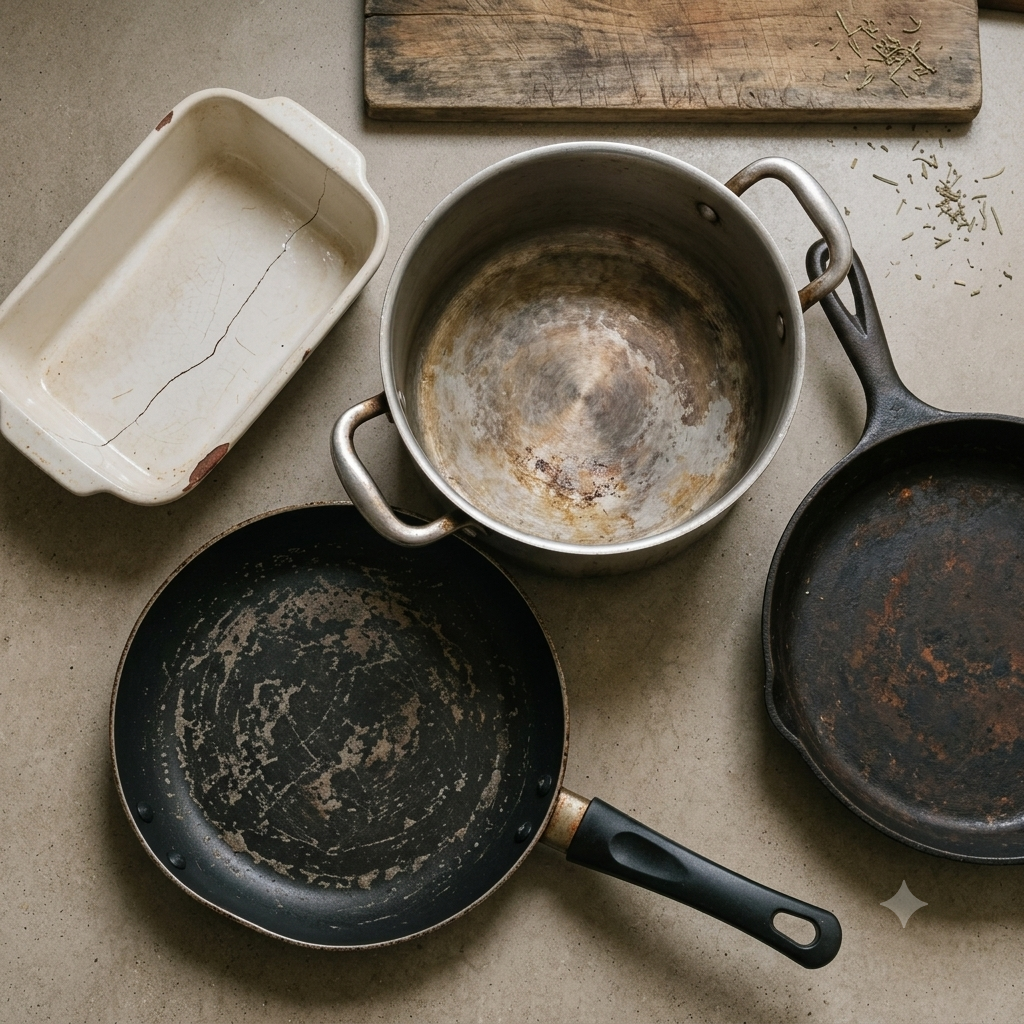
Table of contents
How Long Does Nonstick Cookware Last?
Nonstick cookware doesn’t have one universal replacement schedule. Its lifespan depends on several factors, including coating quality, cooking frequency, temperature, cleaning methods, and general maintenance. A well-maintained, high-quality nonstick pan may last several years, while frequently used cookware exposed to excessive heat or abrasive cleaning may deteriorate much sooner.
Traditional PTFE-coated cookware and ceramic-coated cookware also have different performance and durability characteristics. Rather than replacing every pan after a fixed number of years, pay attention to its physical condition and cooking performance.
For example, a pan that’s several years old may still be usable if its coating remains intact and it performs properly. On the other hand, a relatively new pan may need replacing if its surface has suffered significant damage.
7 Signs It’s Time to Replace Your Nonstick Cookware
Recognizing the warning signs of deteriorating cookware can help you decide whether your pan is still suitable for everyday cooking.
Here are seven signs to look for.
1. Scratches on the Nonstick Surface
Scratches are among the most common signs of nonstick cookware wear. They can develop when you use metal utensils, abrasive cleaning pads, or stack pans without protective layers between them.
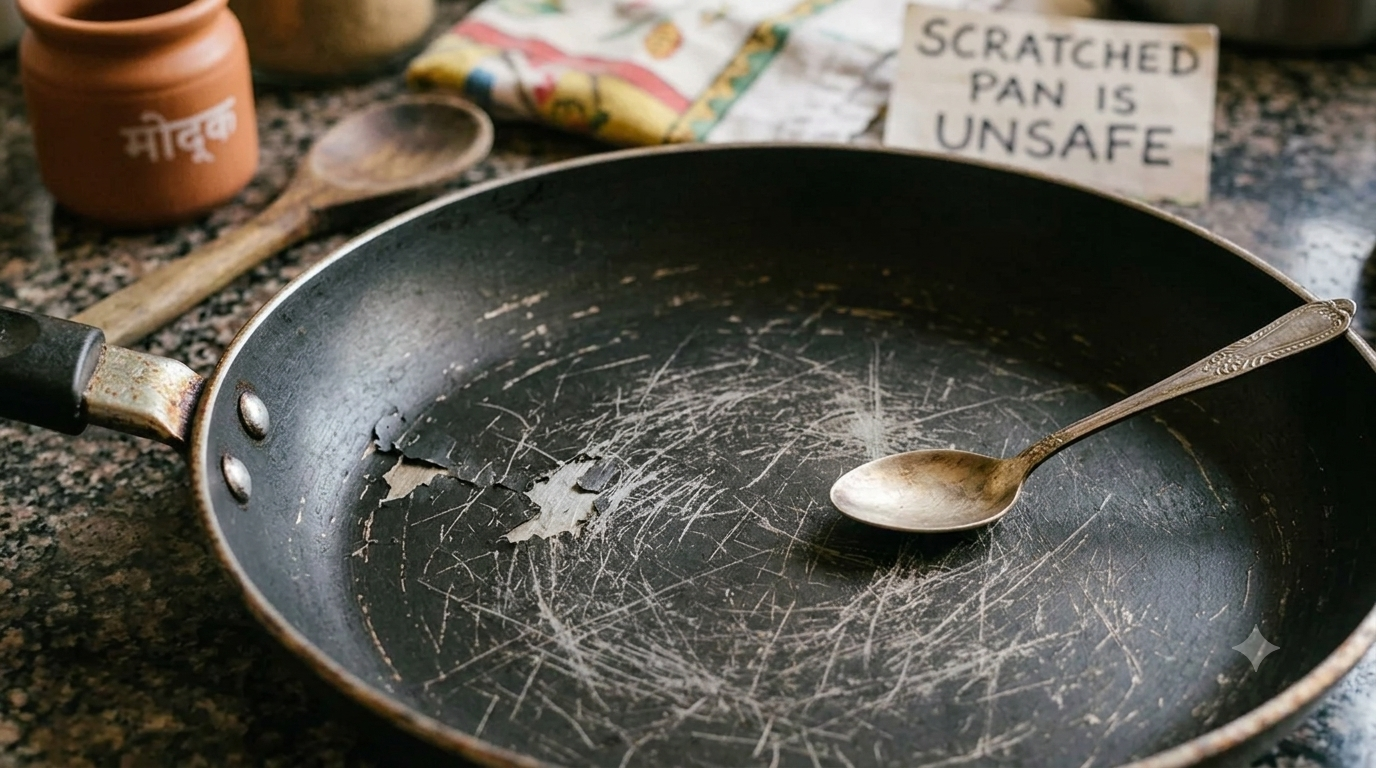
Minor surface marks don’t necessarily mean that a pan has reached the end of its useful life. However, deep scratches, especially those that expose the underlying metal, indicate significant coating damage. Inspect the cooking surface carefully. If you notice deep gouges, extensive scratches, or areas where the coating has worn away, replacing the cookware is a sensible choice.
To prevent future damage, use wooden, silicone, or manufacturer-approved utensils.
2. Peeling, Flaking, or Chipping Coating
Peeling or flaking is one of the clearest signs that nonstick cookware should be replaced. The coating is designed to create a smooth cooking surface. When it starts separating from the underlying material, small pieces may loosen during normal use.
Look for:
- Small flakes appearing on the cooking surface.
- Edges of the coating lifting away.
- Visible chips or missing patches.
- Blistering or bubbling on the interior surface.
If you notice these problems, stop using the pan and replace it rather than attempting to repair the coating.
A deteriorating surface cannot be restored simply by washing, seasoning, or applying cooking oil.
3. Food Starts Sticking to the Surface
One of the main reasons people purchase nonstick cookware is its ability to release food easily. If eggs, pancakes, fish, or other delicate foods regularly stick despite proper cooking techniques, the coating may have lost its effectiveness.
Before replacing the pan, consider whether food residue, excessive heat, or incorrect cooking methods are contributing to the problem. Clean the cookware gently and try cooking at a lower temperature with an appropriate amount of oil.
If food continues sticking during normal use, even after proper cleaning, the nonstick surface may have deteriorated. At this stage, replacing the pan is often more practical than continuing to struggle with poor cooking performance.
4. Discoloration and Visible Surface Deterioration
Nonstick cookware can change appearance as it ages. You may notice dark patches, uneven coloring, rough areas, or a surface that no longer looks smooth.
Some discoloration results from ordinary cooking residue and doesn’t automatically mean the cookware is damaged. However, persistent discoloration combined with blistering, peeling, roughness, or other visible changes may indicate coating deterioration.
Inspect the pan after cleaning it. If the surface remains uneven, damaged, or visibly worn, consider replacing it. Avoid using abrasive cleaners to remove stubborn marks because they can cause additional damage.
5. The Underlying Metal Becomes Visible
Nonstick cookware generally has a metal base covered with a protective nonstick layer. When that coating wears away, the underlying material may become visible.
You might notice shiny or dull metal patches, particularly around the center of the pan where food and utensils make frequent contact. Exposed metal indicates that the protective cooking surface has been compromised.
This is a strong reason to replace the cookware instead of continuing to use it.
6. The Pan Becomes Warped or Structurally Damaged
Not every replacement warning involves the nonstick coating. Repeated exposure to high temperatures, sudden temperature changes, and physical damage can cause cookware to warp.
A warped pan may:
- Rock or wobble on the stovetop.
- Heat unevenly.
- Develop unstable contact with the cooking surface.
- Become difficult to handle safely.
Cracks, loose handles, and significant structural damage are additional reasons to stop using cookware.
If the pan no longer sits securely on the stovetop or its handle is unstable, replacing it is the safer option.
7. Persistent Residue Makes Cleaning Difficult
Nonstick cookware should generally be easy to clean. However, repeated cooking can leave behind stubborn grease, burnt food particles, and residue. Sometimes, gentle cleaning with warm water, mild dish soap, and a soft sponge is enough to restore the surface.
If the cookware remains sticky, rough, or difficult to clean despite proper maintenance, the coating may have deteriorated. Persistent residue alone doesn’t automatically mean replacement is necessary. However, when combined with visible coating damage or poor food release, it can indicate that the pan has reached the end of its useful life.
Is It Safe to Use Scratched Nonstick Cookware?
This is one of the most common concerns people have when deciding whether to replace nonstick cookware. The answer depends on the type and extent of the damage. Most traditional nonstick cookware uses polytetrafluoroethylene (PTFE), a synthetic material commonly used to create nonstick cooking surfaces.
According to the German Federal Institute for Risk Assessment (BfR), accidentally swallowing tiny particles from a scratched PTFE coating is not expected to cause adverse health effects because PTFE is chemically inert and passes through the body largely unchanged.
Similarly, the FDA’s guidance on authorized PFAS uses in food-contact applications explains that specific PFAS-based substances are used in nonstick cookware coatings and that available data indicate negligible migration from properly manufactured coatings.
However, this doesn’t mean severely damaged cookware should be ignored. Deep scratches, peeling, and flaking indicate that the cooking surface is deteriorating. Replacing heavily damaged cookware is a sensible way to maintain its intended performance and avoid continued use of a compromised surface.
What About Overheating Nonstick Cookware?
Overheating is a separate safety concern. PTFE-coated cookware should not be heated excessively, particularly when empty. At very high temperatures, the coating can break down and release fumes that may be harmful when inhaled.
The BfR’s updated guidance on PTFE-coated cookware explains that PTFE can begin decomposing at approximately 360°C (680°F), potentially releasing hazardous gases.
To use nonstick cookware responsibly:
- Avoid preheating an empty pan for extended periods.
- Cook primarily over low or medium heat.
- Follow the manufacturer’s temperature recommendations.
- Use suitable cooking utensils.
- Keep your kitchen properly ventilated.
Health Canada’s safe-use recommendations for cookware also advise against heating empty nonstick cookware and recommend avoiding temperatures above 260°C (500°F).
The important distinction is that normal use of intact, properly maintained nonstick cookware is different from using severely damaged or overheated cookware.
Does the Type of Nonstick Coating Affect Replacement Time?
Yes. Different nonstick coatings have different characteristics, and understanding them can help you make better cookware decisions.
PTFE-Coated Cookware
PTFE is widely used in traditional nonstick cookware because it provides excellent food release and makes cleaning easier. However, the coating can deteriorate through repeated use, scratches, and excessive heat.
Replace PTFE-coated cookware when you notice significant peeling, flaking, deep scratches, or exposed underlying material. For additional information about PTFE cookware and its safe use, consult the BfR’s consumer guidance.
Ceramic-Coated Cookware
Ceramic nonstick cookware uses a different coating technology, generally based on a sol-gel coating.It is often marketed as an alternative to traditional PTFE-coated cookware.
Ceramic coatings can gradually lose their nonstick performance with repeated use. Food may begin sticking even when the pan looks relatively intact. Look for persistent sticking, rough patches, visible chips, and other signs of deterioration.
Ceramic coatings also benefit from gentle cleaning and moderate cooking temperatures. Regardless of the coating type, follow the manufacturer’s care and replacement recommendations.
How to Make Nonstick Cookware Last Longer
Replacing cookware can be expensive, but proper maintenance can help extend its useful life. Here are some practical habits to follow.
Use the Right Cooking Utensils
Avoid metal spatulas, forks, and sharp utensils that can scratch the nonstick surface. Wooden and silicone utensils are generally better choices because they are less likely to damage the coating.
Avoid Excessive Heat
High temperatures can accelerate coating deterioration. Use low or medium heat for most everyday cooking tasks. Avoid leaving empty nonstick pans on a hot burner.
For high-temperature searing, consider using stainless steel or cast iron instead.
Clean With a Soft Sponge
Use warm water, mild dish soap, and a soft sponge to clean nonstick cookware. Avoid steel wool, abrasive scouring pads, and harsh cleaning products unless the manufacturer specifically permits them.
Allow the pan to cool before washing to reduce the risk of thermal shock.
Avoid Stacking Pans Without Protection
Stacking cookware directly on top of one another can cause scratches. Place a soft cloth, paper towel, or dedicated pan protector between stacked pans.
This simple practice helps prevent unnecessary surface damage during storage.
Follow Manufacturer Instructions
Different cookware products may have different cleaning, temperature, and storage requirements. Check the manufacturer’s instructions before placing nonstick cookware in a dishwasher or oven.
Following the recommended care practices can help preserve the coating for longer.
For additional practical advice, the Singapore Food Agency’s guide to safe practices for nonstick pans is another useful resource.
What Should You Choose After Replacing Nonstick Cookware?
Once your nonstick cookware reaches the end of its useful life, consider which material best suits your cooking habits.
Here are three popular alternatives.
Stainless Steel Cookware
Stainless steel is a durable option for everyday cooking. It doesn’t rely on a nonstick coating, making it suitable for browning, sautéing, and searing.
Although food can stick when cooking techniques aren’t appropriate, stainless steel can last many years with proper care.
Cast Iron Cookware
Cast iron is known for its durability and heat retention. With appropriate seasoning and maintenance, it can develop a naturally slick cooking surface.
However, it is heavier than most nonstick pans and requires additional care to prevent rust.
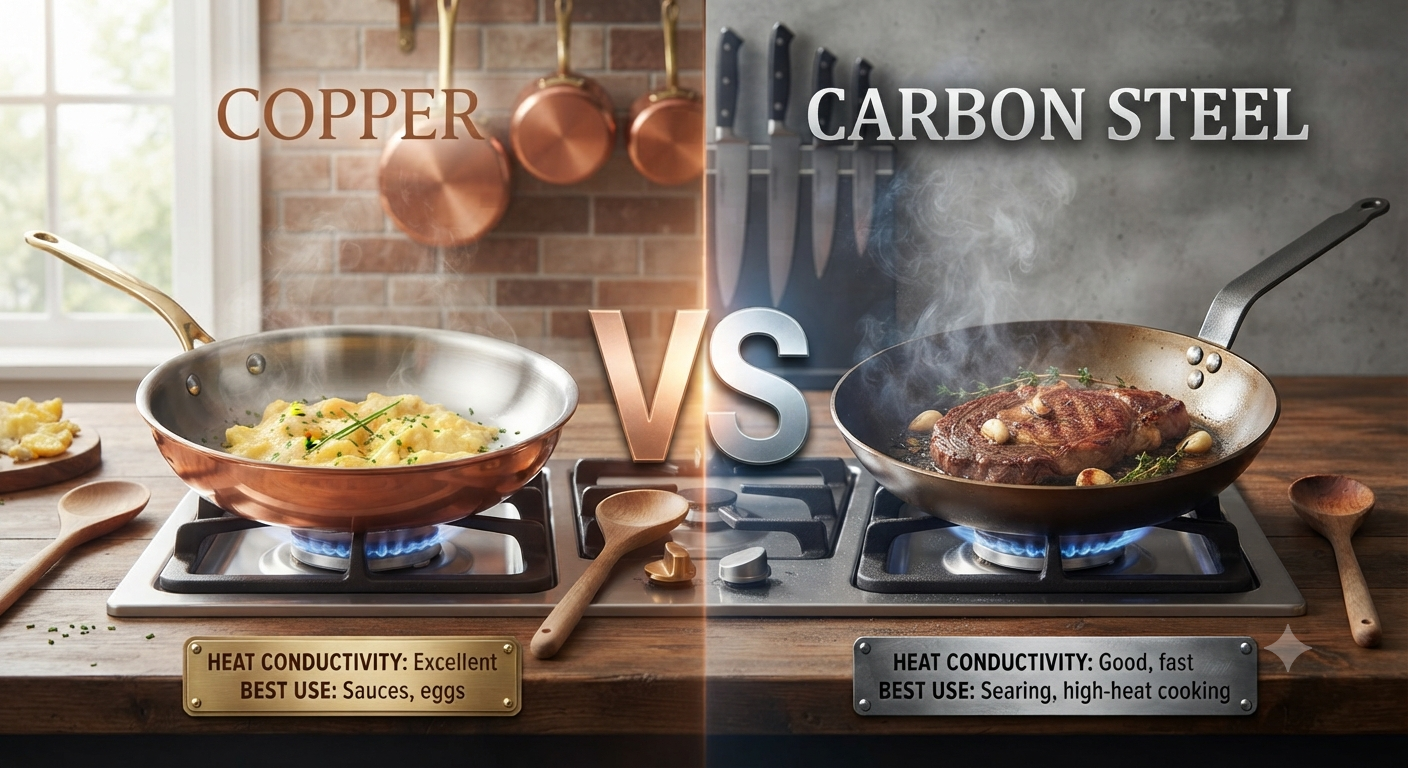
Carbon Steel Cookware
Carbon steel offers another alternative for people who want durable cookware. Like cast iron, it develops a seasoned cooking surface over time.
It is generally lighter than cast iron and works well for high-heat cooking. The right choice depends on your cooking style, maintenance preferences, and budget.
Frequently Asked Questions
How often should you replace nonstick cookware?
There is no universal replacement schedule. Well-maintained nonstick cookware may last several years, while heavily used or poorly maintained pans may deteriorate sooner. Replace cookware when its coating becomes significantly scratched, chipped, or damaged.
Can you still use a nonstick pan with minor scratches?
Minor surface marks don’t necessarily mean a pan needs immediate replacement. However, deep scratches, exposed metal, peeling, or flaking are reasons to stop using it and replace it.
Is peeling nonstick coating dangerous?
Peeling indicates that the coating is deteriorating and the pan is no longer in its intended condition. The BfR states that accidentally swallowing tiny PTFE particles is not expected to cause adverse health effects. Nevertheless, replacing cookware with substantial peeling or flaking is a sensible precaution.
Can you repair damaged nonstick cookware?
No reliable household repair can restore a damaged nonstick coating. Seasoning, cooking oil, and cleaning products cannot recreate the original factory-applied surface. Replace cookware with significant coating damage.
Does ceramic nonstick cookware last longer than traditional nonstick cookware?
Not necessarily. Both types of coatings can lose their nonstick performance over time. Their lifespan depends on product quality, cooking habits, temperature, and maintenance.
Should you throw away nonstick cookware if food starts sticking?
Not immediately. First, clean the pan properly and check your cooking temperature and technique. If food continues sticking despite appropriate use, the coating may have worn out and replacement may be necessary.
Can you put nonstick cookware in the dishwasher?
It depends on the manufacturer’s instructions. Although some nonstick pans are labeled dishwasher-safe, handwashing with mild soap and a soft sponge is often a gentler option that may help preserve the coating.
Conclusion
Knowing when to replace nonstick cookware helps you maintain better cooking performance and avoid using pans with severely deteriorated surfaces.
Watch for important warning signs such as deep scratches, peeling coating, exposed metal, persistent sticking, and structural damage.
Remember that nonstick cookware doesn’t need to be replaced simply because it reaches a particular age. Its condition, performance, and maintenance history are much better indicators of when replacement is necessary.
By using suitable utensils, avoiding excessive heat, cleaning gently, and storing pans carefully, you can help extend the useful life of your cookware and make your next purchase last longer.