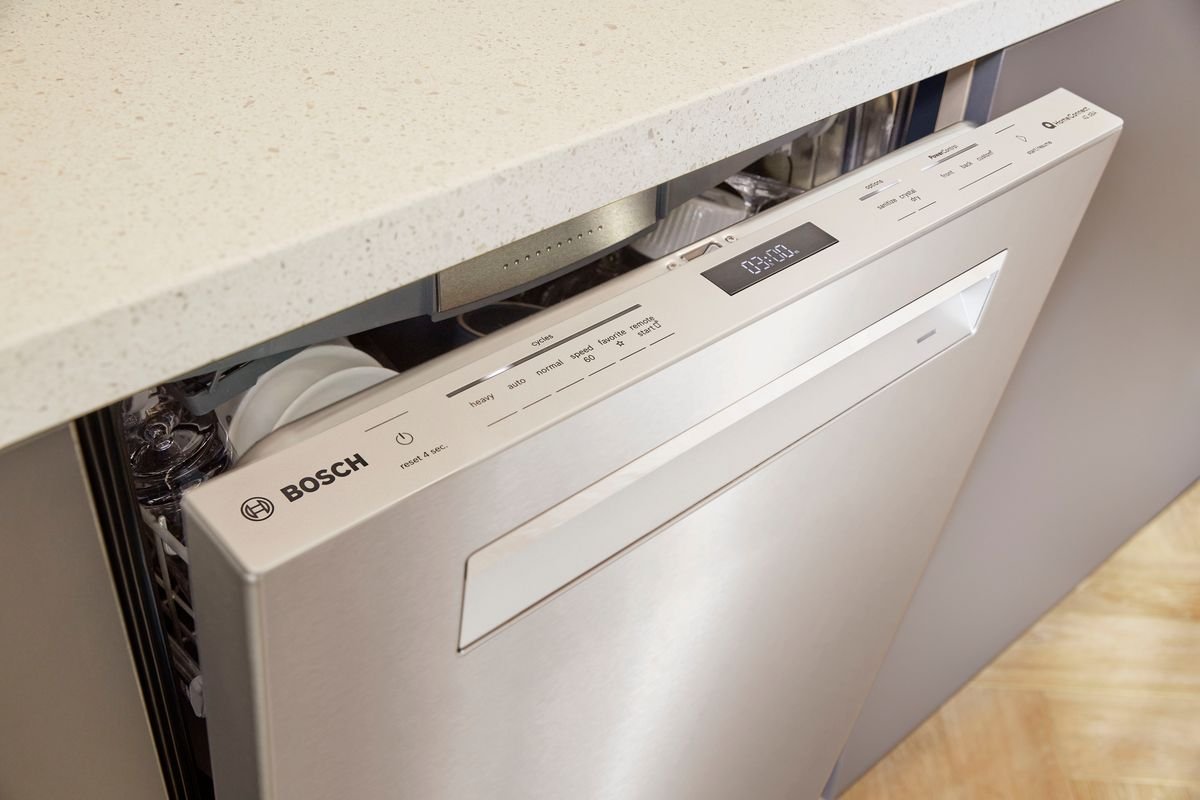
If you own a Bosch dishwasher, you may have noticed a small compartment labeled rinse aid near the detergent dispenser. Many users wonder whether rinse aid is necessary, how to refill it, what setting to use, and why their dishes sometimes come out with water spots even after a complete wash cycle.
This complete guide explains everything you need to know about Bosch dishwasher rinse aid, including how it works, how to use it correctly, recommended options, common problems, and answers to frequently asked questions.
What Is Rinse Aid in a Bosch Dishwasher?
Rinse aid is a dishwasher cleaning additive designed to improve drying performance and reduce water spots on dishes, glasses, and stainless steel items.
Unlike dishwasher detergent, which removes food particles and grease, rinse aid works during the final rinse cycle. It helps water slide off surfaces more easily, allowing dishes to dry faster and appear cleaner.
Modern Bosch dishwashers are designed with energy-efficient drying systems, which means rinse aid can be especially helpful for improving drying results.
Do Bosch Dishwashers Need Rinse Aid?
While a Bosch dishwasher can run without rinse aid, using it is generally recommended for the best cleaning and drying performance.
Rinse aid can help:
- Reduce water spots on glasses and plates
- Prevent cloudy glassware
- Improve drying results
- Reduce moisture left on plastic containers
- Improve the overall appearance of dishes
If your Bosch dishwasher finishes a cycle but dishes are still wet or covered with white marks, adjusting your rinse aid usage may solve the problem.
Where Do You Put Rinse Aid in a Bosch Dishwasher?
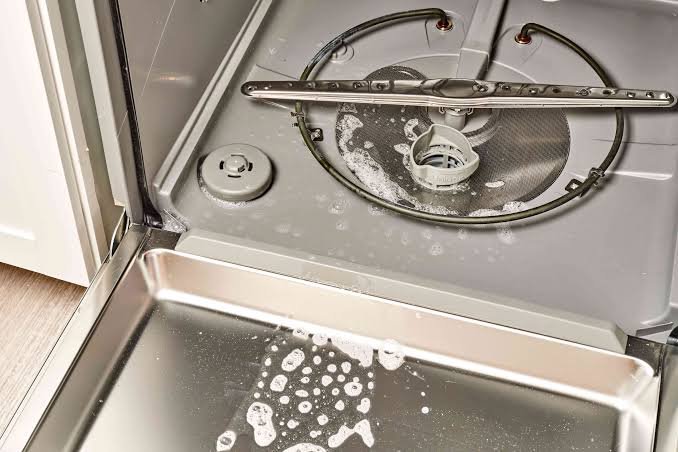
Bosch dishwashers have a built-in rinse aid dispenser located inside the dishwasher door, usually next to the detergent compartment.
Follow these steps:
- Open the dishwasher door.
- Locate the rinse aid dispenser on the inside panel.
- Open the dispenser cap.
- Pour rinse aid into the reservoir until it reaches the maximum fill line.
- Close the cap securely.
Avoid overfilling because excess rinse aid may create too many suds or leave residue.
How to Add Rinse Aid to a Bosch Dishwasher
Adding rinse aid is simple:
- Check the rinse aid indicator light on your dishwasher control panel.
- Open the dispenser compartment.
- Fill it with your preferred dishwasher rinse aid.
- Wipe away any spills around the dispenser.
- Close the dishwasher door and run your normal wash cycle.
Most households need to refill rinse aid every few weeks, depending on dishwasher use and the dispenser setting.
Best Rinse Aid Options for Bosch Dishwashers
The best rinse aid depends on your water hardness, dishwasher model, and personal preference.
Common rinse aid choices include:
Finish Jet-Dry Rinse Aid
Finish rinse aid products are widely used with many dishwasher brands, including Bosch models. They are designed to improve drying and reduce water spots.
Bosch Original Rinse Aid
Bosch-branded rinse aid is specifically designed for Bosch dishwasher systems and is a suitable option for users who prefer manufacturer-recommended products.
Eco-Friendly Rinse Aid Options
Some users prefer plant-based or environmentally friendly rinse aids. These may work well, but results can vary depending on water hardness and dishwasher settings.
How to Adjust Bosch Dishwasher Rinse Aid Settings
Bosch dishwashers allow users to adjust the amount of rinse aid released during the cycle.
If you see:
Water spots or cloudy glasses:
Increase the rinse aid setting.
Streaks or a slippery feeling on dishes:
Decrease the rinse aid setting.
The ideal setting depends on:
- Water hardness
- Dishwasher model
- Detergent type
- Washing frequency
A medium setting is usually a good starting point for most homes.
Bosch Dishwasher Rinse Aid Light Stays On
If the rinse aid indicator light remains on after filling the dispenser, try these steps:
- Confirm the dispenser is filled correctly.
- Clean any rinse aid residue around the sensor area.
- Close the dispenser cap firmly.
- Run another wash cycle.
If the light continues to stay on, the dispenser sensor may need inspection.
Bosch Dishwasher Rinse Aid Not Dispensing
Possible causes include:
- Empty rinse aid reservoir
- Blocked dispenser opening
- Incorrect dispenser setting
- Damaged dispenser mechanism
Try cleaning the dispenser area and checking that the cap opens and closes properly.
Why Are Bosch Dishwasher Dishes Still Wet After Using Rinse Aid?
If dishes remain wet, rinse aid may not be the only factor.
Check:
1. Drying Settings
Some Bosch models use condensation drying, which works differently from traditional heating systems.
2. Loading Arrangement
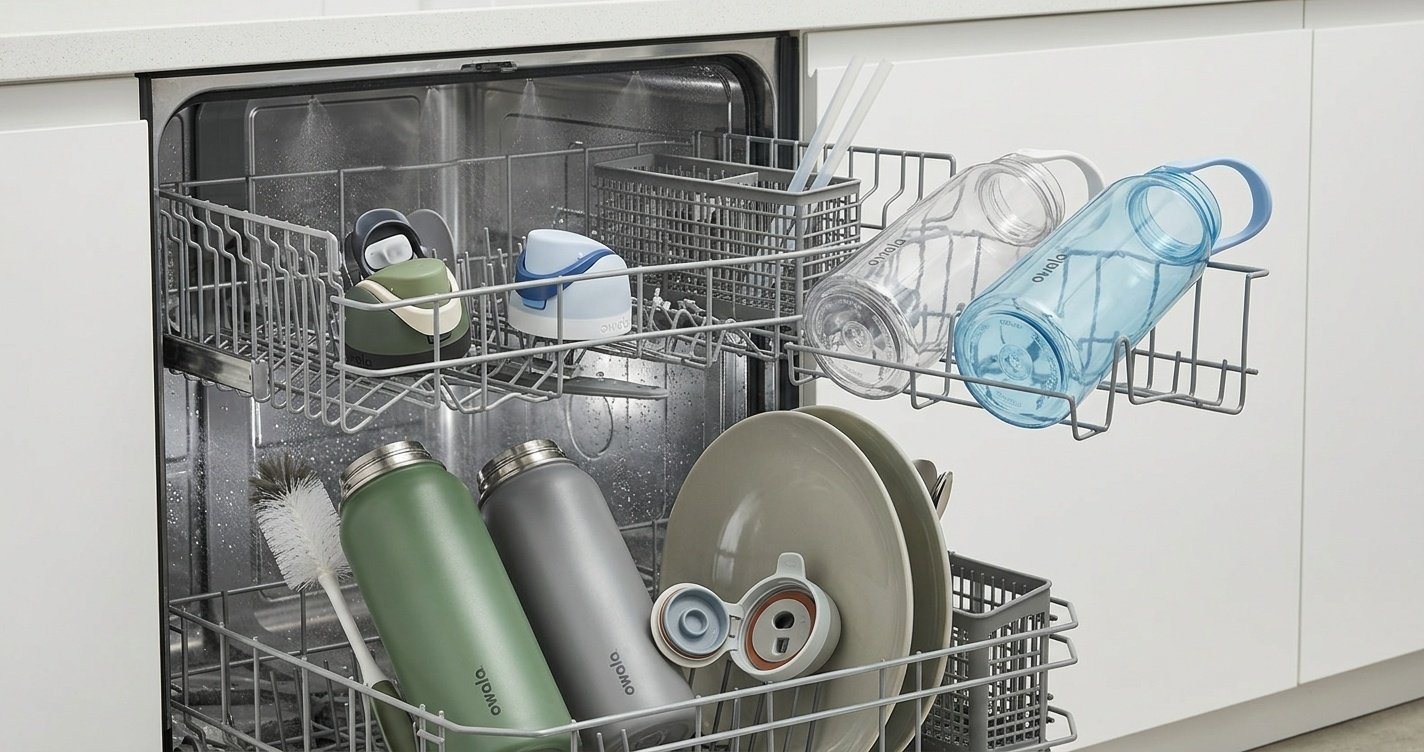
Avoid blocking spray arms and allow space between dishes for better airflow.
3. Plastic Items
Plastic containers naturally hold water droplets longer than glass or ceramic dishes.
4. Rinse Aid Level
Increase the rinse aid setting if dishes are consistently wet.
Bosch Dishwasher White Spots on Glasses
White spots are usually caused by mineral deposits from hard water.
Solutions include:
- Increase rinse aid usage
- Use dishwasher salt if your Bosch model supports it
- Clean the dishwasher filter regularly
- Use a dishwasher cleaning cycle periodically
How Often Should You Refill Bosch Dishwasher Rinse Aid?
Refill frequency depends on:
- Number of dishwasher cycles per week
- Rinse aid dispenser setting
- Water hardness
Many households refill the dispenser approximately once every month, but heavy dishwasher users may need refills more often.
Can You Use Any Rinse Aid in a Bosch Dishwasher?
Most standard dishwasher rinse aids are compatible with Bosch dishwashers.
However, always check:
- Your dishwasher manual
- Product instructions
- Compatibility information
Using a quality rinse aid designed for automatic dishwashers will generally provide better results than homemade alternatives.
Bosch Dishwasher Rinse Aid vs Detergent: What Is the Difference?
| Product | Purpose |
|---|---|
| Dishwasher detergent | Removes food, grease, and stains |
| Rinse aid | Improves drying and reduces spots |
They perform different jobs and are not replacements for each other.
Frequently Asked Questions
Does Bosch recommend using rinse aid?
Yes, rinse aid is generally recommended because it improves drying performance and reduces water marks.
What happens if I don’t use rinse aid in my Bosch dishwasher?
Your dishwasher will still clean dishes, but you may notice more water spots, slower drying, and wetter dishes.
Can I turn off rinse aid in my Bosch dishwasher?
Many Bosch models allow users to adjust or disable rinse aid settings, but results may vary depending on water conditions.
Is rinse aid safe for dishes?
When used according to the manufacturer’s instructions, dishwasher rinse aid is designed to be safe for normal dishwashing use.
Final Thoughts
Using the correct rinse aid can significantly improve the performance of your Bosch dishwasher. If you experience cloudy glasses, wet dishes, or poor drying results, adjusting your rinse aid level is one of the easiest solutions to try.
For the best results:
- Keep the rinse aid dispenser filled
- Adjust the setting based on your water conditions
- Clean your dishwasher regularly
- Use detergent and rinse aid together for optimal performance
As dishwasher technology continues to improve, rinse aid remains an important part of achieving cleaner, drier, and spot-free dishes.