Counter-depth refrigerators have become one of the most searched kitchen upgrades in 2026 because homeowners want a built-in look without full remodel costs. This guide is written with real appliance evaluation logic, installation considerations, and performance-focused criteria to help you choose confidently.
We’ll cover space-saving design, sizing, brand reliability, energy efficiency, and real buying mistakes—all based on how these refrigerators actually perform in real kitchens.
Table of contents
What is a Counter-Depth Refrigerator in 2026?
A counter-depth refrigerator is designed to align almost flush with your kitchen counters, usually around 24–30 inches deep. Unlike standard fridges, it doesn’t stick out into your walkway, which instantly makes the kitchen feel more open and modern.
In 2026, manufacturers are improving internal design so you don’t lose as much storage space as older models. Slimmer insulation and smarter shelving layouts are the big upgrades.
- Typical depth: 24–30 inches
- Capacity range: 20–25 cubic feet
- Common styles: French door, bottom freezer, side-by-side
Key takeaway: Counter-depth fridges are about kitchen flow and design efficiency, not just smaller size.
Example: A recent kitchen remodel survey found homeowners prioritize “visual space improvement” over maximum capacity in over 60% of urban kitchen upgrades.
Is counter-depth the same as built-in?
No—built-in refrigerators sit fully inside cabinetry, while counter-depth models only approximate that look at a lower cost
Why Choose a Counter-Depth Fridge?
The biggest reason people choose counter-depth refrigerators is simple: kitchens feel less crowded. Even just a few inches of reduced depth can make a narrow kitchen much easier to move in.
They also improve aesthetics dramatically, especially in open-concept homes where the kitchen is always visible.
- Cleaner kitchen layout
- Better walking space in tight kitchens
- Modern, built-in appearance without renovation costs
Key takeaway: You’re trading a bit of storage space for a much more functional and visually balanced kitchen.
Example: In apartments under 1,200 sq ft, counter-depth models are now the most commonly replaced fridge type due to layout constraints.
Best Types of Counter-Depth Refrigerators
Not all counter-depth fridges feel the same in daily use. The style you choose changes everything—from accessibility to storage efficiency.
Here’s how they break down:
- French Door: Best overall balance of space and usability
- Bottom Freezer: Best for small kitchens and daily convenience
- Side-by-Side: Best freezer access but narrower compartments
Key takeaway: French door models dominate 2026 because they maximize usable space in a shallow footprint.
Real-world example: Many kitchen designers report French-door counter-depth units are used in over 70% of modern remodel projects due to layout flexibility.
Which type is best for families?
French-door counter-depth refrigerators are usually best because they combine wide fridge space with organized freezer drawers.
Best Counter-Depth Refrigerator Brands in 2026
Brand reliability matters because refrigerators are long-term appliances expected to last 10–15 years. In 2026, performance is judged on cooling stability, repair rates, and layout efficiency—not just features.
Top-performing brands include:
- LG: Best interior space efficiency and smart layouts
- Bosch: Best temperature stability and build quality
- Samsung: Best smart features and modern design
- GE: Best value and service availability
Key takeaway: Reliability + cooling consistency matter more than smart features or aesthetics.
Expert insight: Appliance reliability data consistently shows Bosch and LG among the lowest service-call rates in premium categories due to advanced compressor systems.
Counter-Depth Refrigerator Sizes & Capacity Guide
Sizing is where most buyers make expensive mistakes. Counter-depth refrigerators look similar externally, but internal usability varies significantly based on design efficiency.
Typical household recommendations:
- 1–2 people → 20–21 cu. ft.
- 3–4 people → 22–24 cu. ft.
- 5+ people → 25+ cu. ft.
- Consider fridge layout, not just cubic feet
- Check shelf adjustability before buying
- Evaluate freezer usability (drawer vs side access)
Key takeaway: Usable storage design is more important than advertised capacity.
Example: A 22 cu. ft. LG French-door model can often outperform a 25 cu. ft. side-by-side in actual daily storage efficiency.
Energy Efficient Counter-Depth Refrigerators (Smart Cooling Tech)
Modern counter-depth refrigerators are significantly more energy efficient thanks to inverter compressors and adaptive cooling systems that adjust performance based on usage patterns.
Smart features are more common in 2026, but they vary in real usefulness.
- ENERGY STAR-certified models reduce energy consumption
- Smart alerts help monitor temperature and maintenance
- Premium models offer internal cameras and inventory tracking
Key takeaway: Energy efficiency delivers more long-term value than most smart features.
Example: ENERGY STAR-certified refrigerators can reduce energy usage by up to 15–20%, saving households measurable annual electricity costs over time.
Are smart refrigerators worth it?
They are useful for monitoring and convenience, but not essential for basic refrigeration performance.
Common Buying Mistakes (Expert Install Insights)
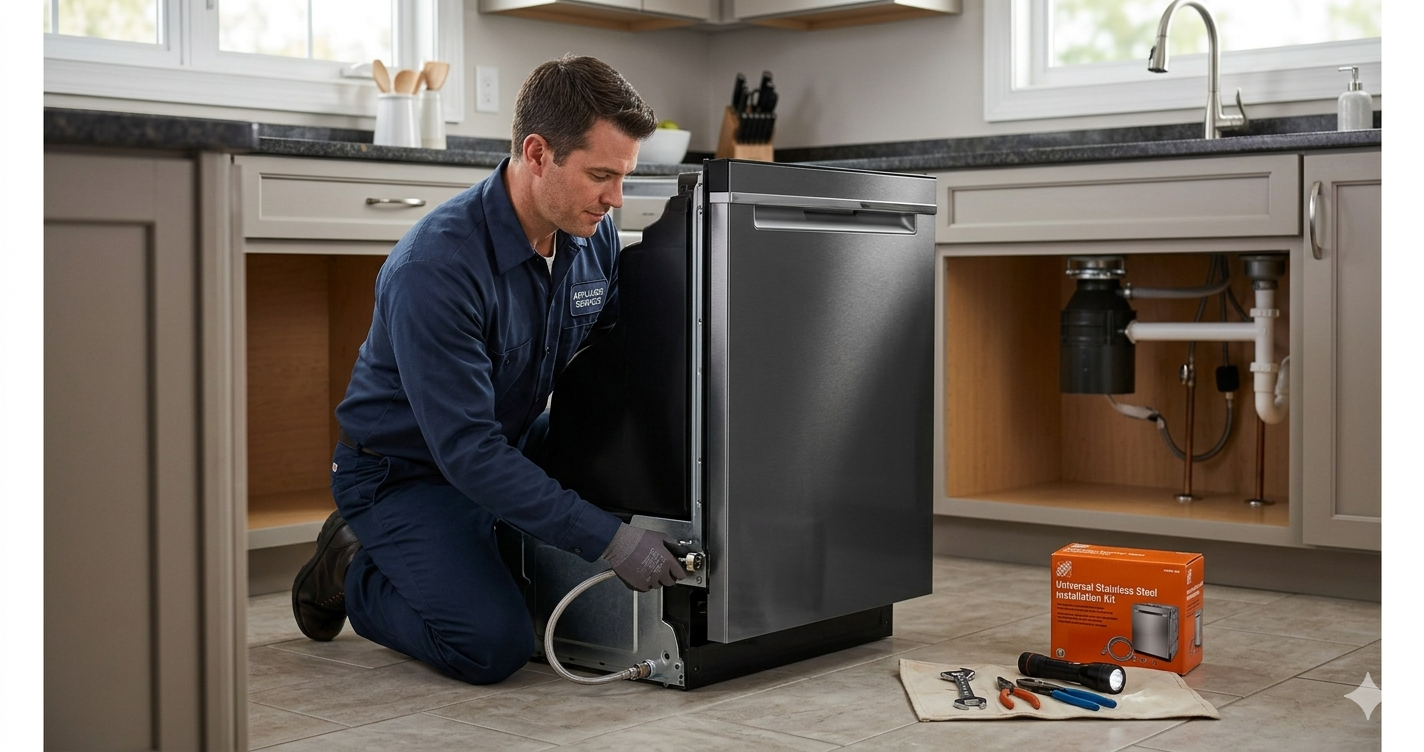
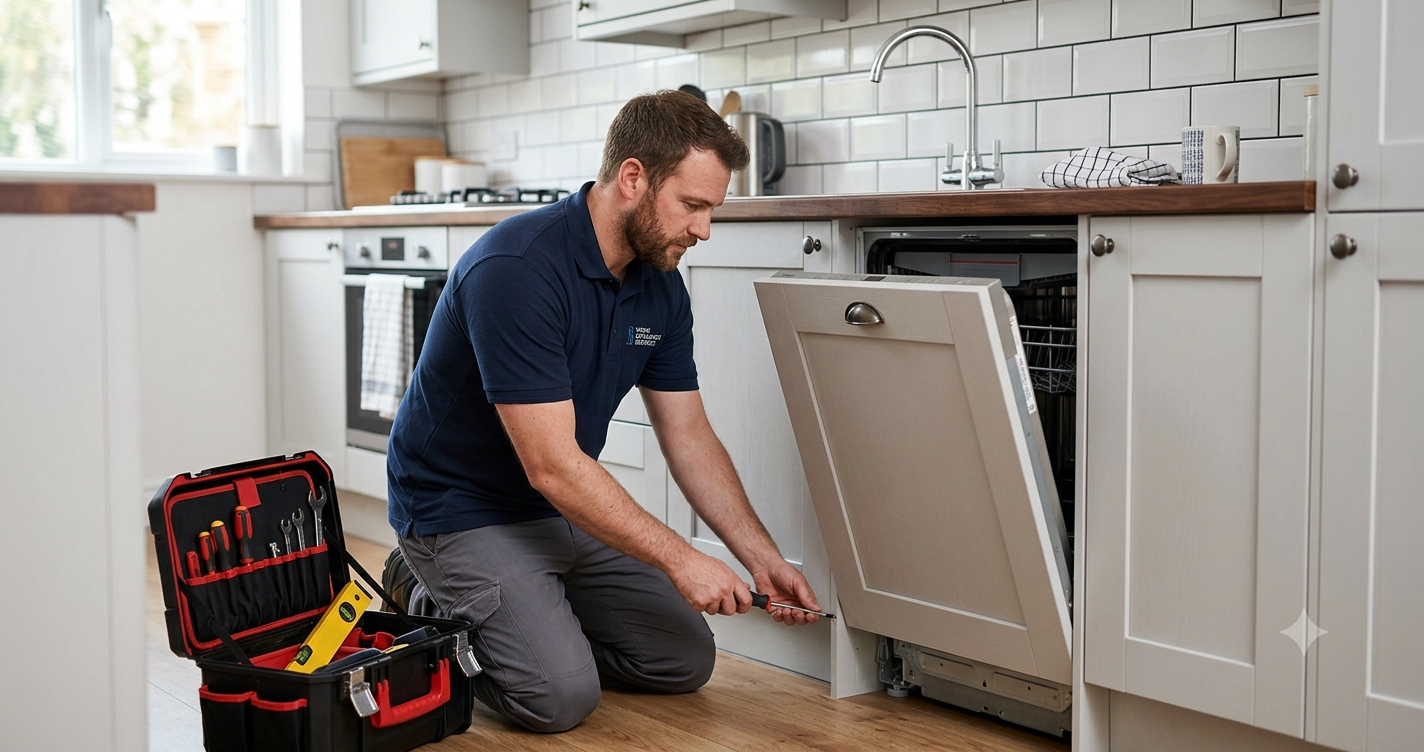
Many refrigerator issues don’t come from product quality—they come from poor measurement and installation planning. Counter-depth models require precise fitting.
Most common mistakes include:
- Not measuring cabinet depth correctly
- Ignoring door swing clearance
- Forgetting ventilation space behind unit
- Overestimating usable storage capacity
- Always measure width, height, and depth twice
- Account for hinges and handle protrusion
- Check water line placement if needed
Key takeaway: Installation accuracy matters as much as product selection.
Real-world insight: Appliance installers frequently report incorrect depth measurements as one of the top causes of delivery returns or repositioning fees.
Do counter-depth refrigerators sit completely flush?
Not always. Most sit nearly flush, but door handles and ventilation clearance prevent a perfectly seamless finish.
Summary
Counter-depth refrigerators in 2026 are no longer a compromise—they are a design-first appliance category optimized for modern kitchens. With better interior engineering, improved cooling systems, and smarter layouts, they now offer strong usability alongside aesthetics.
If your priority is kitchen flow, modern design, and space optimization, a counter-depth refrigerator is one of the most impactful upgrades you can make.
FAQ
Q1: What is the main benefit of a counter-depth refrigerator?
A counter-depth refrigerator provides a flush, built-in kitchen appearance while saving floor space. It improves kitchen flow and makes tight or open-concept kitchens feel larger. The trade-off is slightly reduced storage depth compared to full-size models.
Q2: Do counter-depth refrigerators hold less food?
Yes, they generally hold slightly less food due to reduced depth. However, modern designs compensate with better shelving layouts, door bins, and vertical storage optimization. Many users find the difference less noticeable in daily use.
Q3: Are counter-depth refrigerators worth it?
Yes, they are worth it if you value kitchen design, space efficiency, and modern aesthetics. They are especially useful in smaller kitchens or homes with open layouts. The slight storage reduction is usually offset by better organization.
Q4: What size counter-depth refrigerator do I need?
Most households fit best within the 22–25 cubic feet range, depending on family size. Smaller households can use 20–21 cu. ft., while larger families may need 25+ cu. ft. The layout matters more than total capacity.
Q5: What is the best type of counter-depth refrigerator?
French-door counter-depth refrigerators are generally the best choice in 2026. They provide wide shelving, easy access, and efficient freezer organization. They are also the most commonly installed type in modern kitchens.
Q6: Which brand makes the most reliable counter-depth refrigerators?
Bosch and LG are widely considered the most reliable due to strong cooling consistency and low failure rates. Samsung offers advanced smart features, while Whirlpool and GE provide strong service networks and value pricing.
Q7: Do counter-depth refrigerators sit completely flush?
Not completely. They sit nearly flush with countertops, but handles, hinges, and ventilation spacing prevent a perfectly flat surface. The result is still a much cleaner look than standard-depth refrigerators.
Q8: Are smart features necessary in counter-depth refrigerators?
No, smart features are optional. They provide convenience like temperature alerts and remote monitoring but do not significantly improve core refrigeration performance. Energy efficiency and layout design are more important.
Q9: What is the biggest mistake when buying a counter-depth fridge?
The most common mistake is incorrect measurement of cabinet depth and door clearance. Many buyers also underestimate how much space is needed for ventilation and door swing, leading to installation issues.
Q10: How long do counter-depth refrigerators last?
Most counter-depth refrigerators last between 10 and 15 years, depending on brand and maintenance. Premium brands like Bosch and LG often last longer due to better compressor technology and build quality.
Q11: Are counter-depth refrigerators more expensive?
Yes, they are generally more expensive than standard-depth models. The higher cost comes from compact engineering, design integration, and premium positioning in the appliance market.
Q12: Do counter-depth refrigerators save space in the kitchen?
Yes, they improve usable kitchen space by reducing how far the appliance extends outward. This creates better walking clearance and improves overall kitchen flow, especially in smaller homes.