Choosing the right cookware can significantly impact your cooking experience, food quality, and the lifespan of your kitchen tools. Two of the most popular options today are hard-anodized cookware and stainless steel cookware. Both offer excellent durability and performance, but they differ in heat distribution, maintenance, cooking style, and overall value.
If you are comparing hard-anodized vs stainless steel cookware, understanding their advantages and limitations will help you choose the best option for your kitchen.
Table of contents
Table of Contents
- What Is Hard-Anodized Cookware?
- What Is Stainless Steel Cookware?
- Hard-Anodized vs Stainless Steel Cookware: Key Differences
- Heat Performance and Cooking Results
- Durability and Longevity
- Nonstick Performance and Food Release
- Safety Considerations
- Cleaning and Maintenance
- Best Uses for Each Cookware Type
- Pros and Cons Comparison
- Which Cookware Is Better: Hard-Anodized or Stainless Steel?
- Frequently Asked Questions
Read More: Hard-Anodized vs Ceramic: Which Is Better?
What Is Hard-Anodized Cookware?
Hard-anodized cookware is made from aluminum that has undergone an electrochemical treatment called anodization. This process strengthens the aluminum surface, making it harder, more durable, and more resistant to corrosion.
Unlike traditional aluminum cookware, hard-anodized cookware has a hardened exterior that improves performance and durability. Many hard-anodized pans also include a nonstick coating, making them popular among home cooks who want easy food release and simple cleanup.
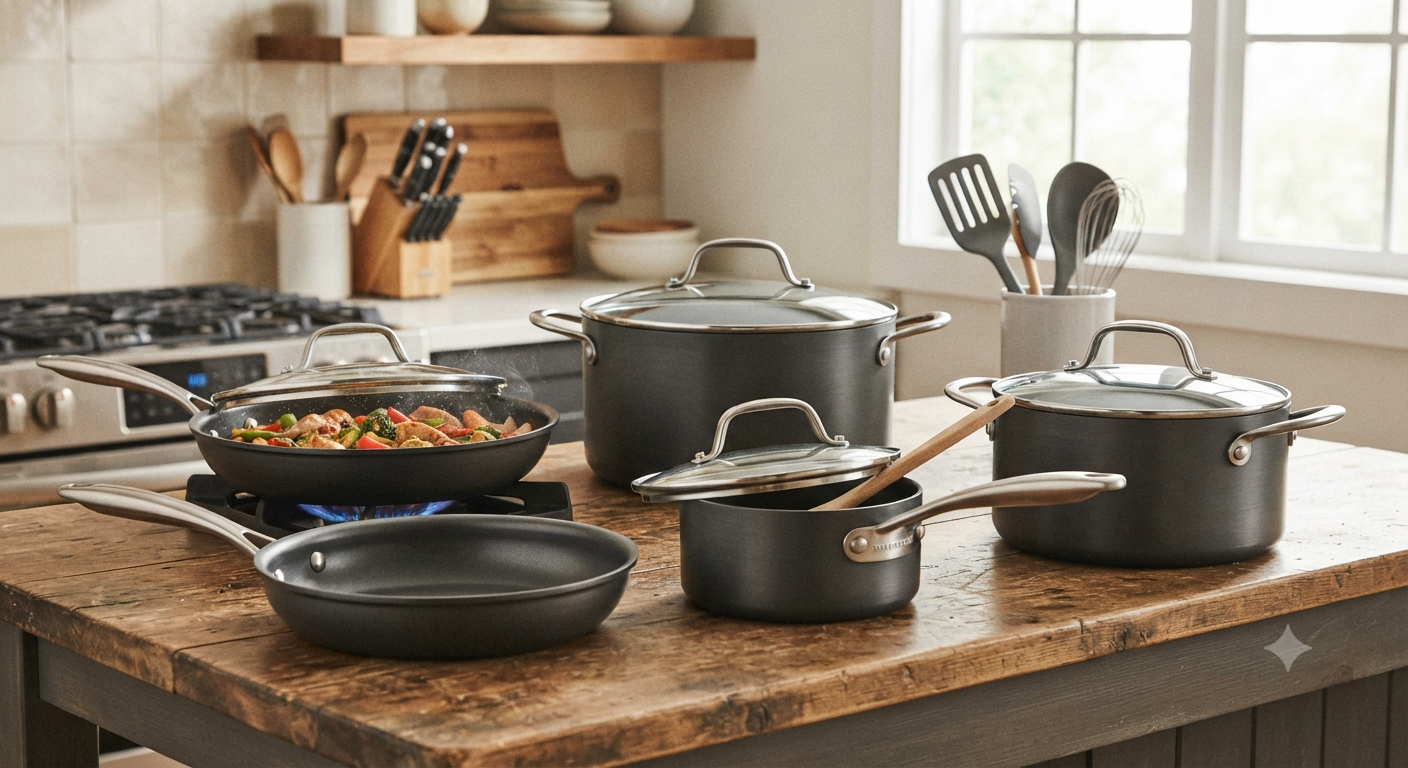
Benefits of Hard-Anodized Cookware
- Excellent heat conductivity
- Lightweight compared to stainless steel
- Fast heating and temperature control
- Naturally resistant to scratches
- Easy food release when coated with nonstick layers
- Comfortable for everyday cooking
Hard-anodized cookware is commonly used for frying pans, saucepans, griddles, and everyday cooking sets.
What Is Stainless Steel Cookware?
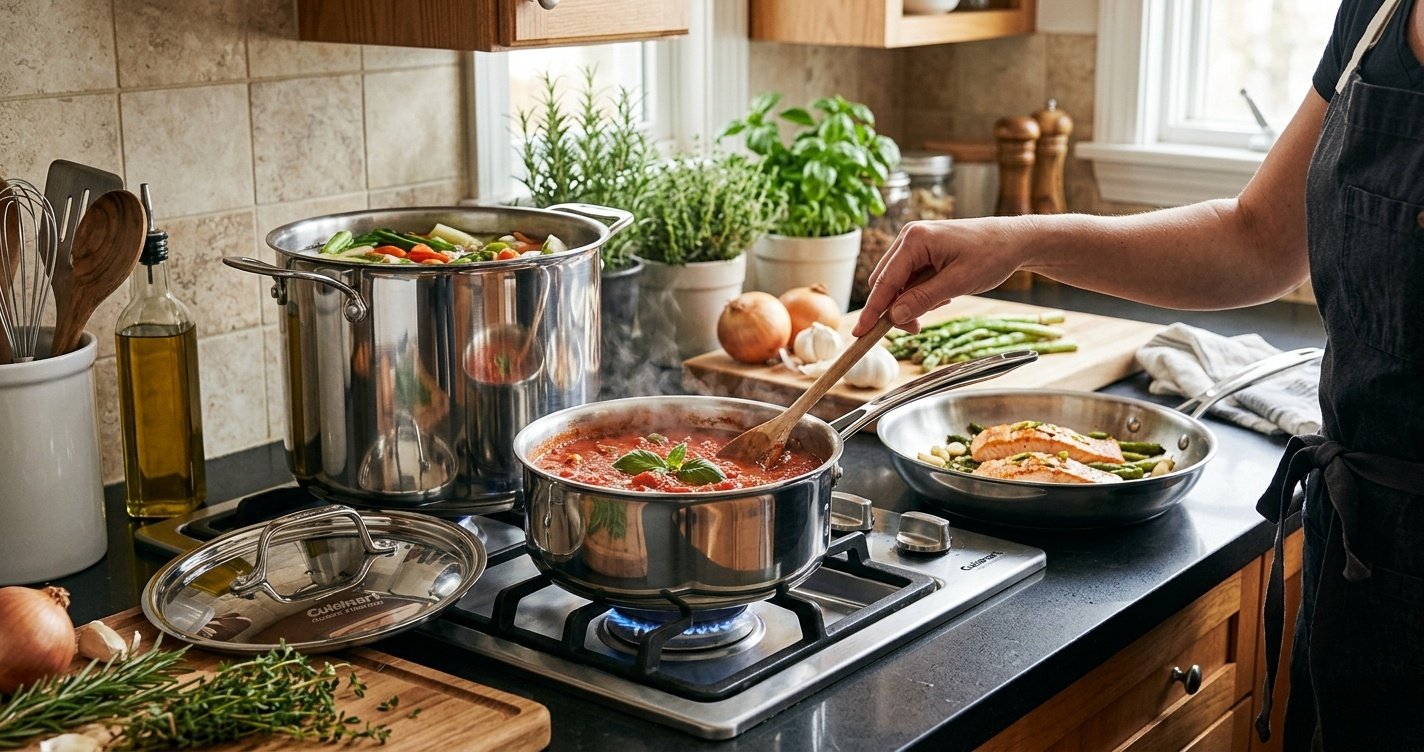
Stainless steel cookware is made from a combination of metals, primarily iron, chromium, and sometimes nickel. The addition of chromium creates a protective layer that helps prevent rust and corrosion.
High-quality stainless steel cookware often uses multiple layers, such as tri-ply or five-ply construction, where aluminum or copper layers are added between stainless steel layers to improve heat distribution.
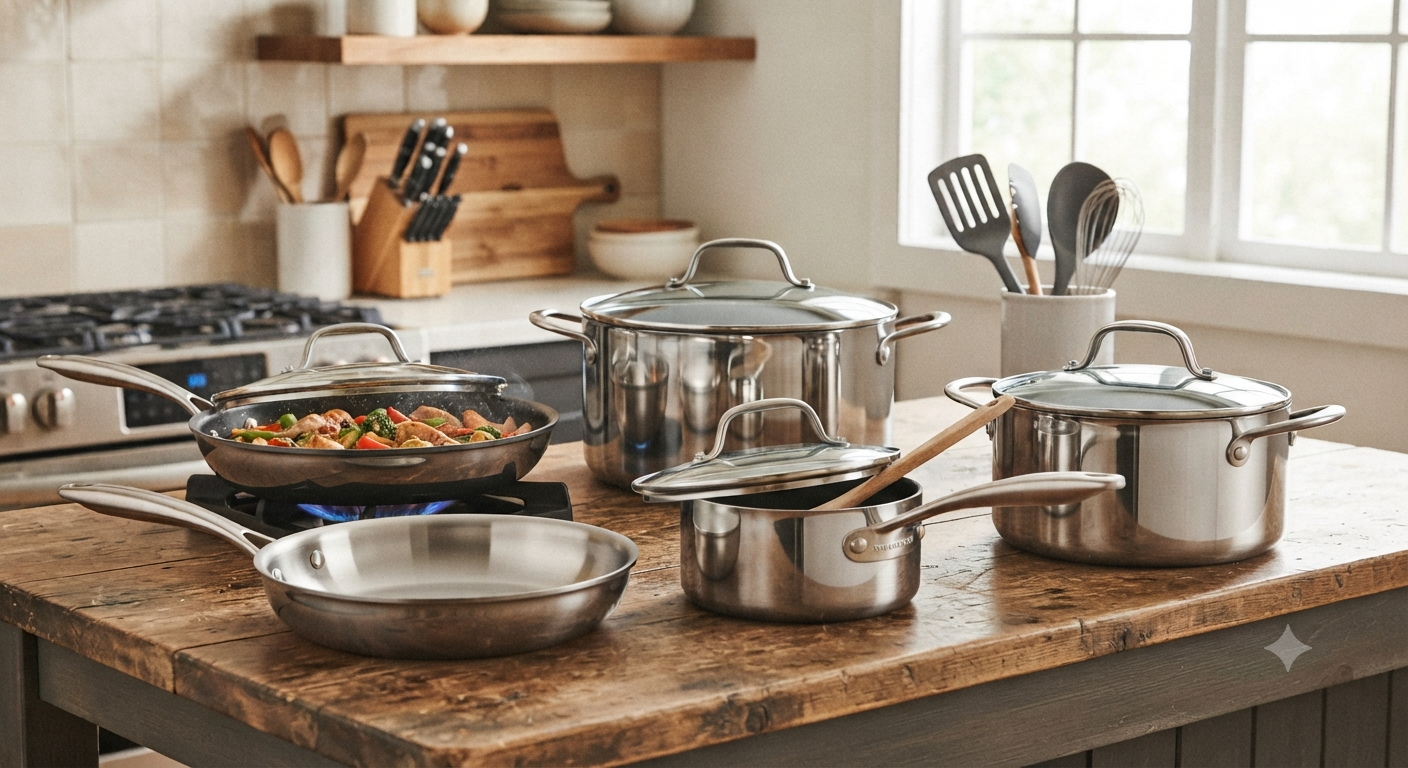
Benefits of Stainless Steel Cookware
- Extremely durable
- Resistant to rust and corrosion
- Safe for high-temperature cooking
- Oven and dishwasher-friendly
- Maintains appearance for many years
- Ideal for searing and browning
Professional chefs often prefer stainless steel because it allows precise cooking techniques and can handle demanding kitchen environments.
Hard-Anodized vs Stainless Steel Cookware: Key Differences
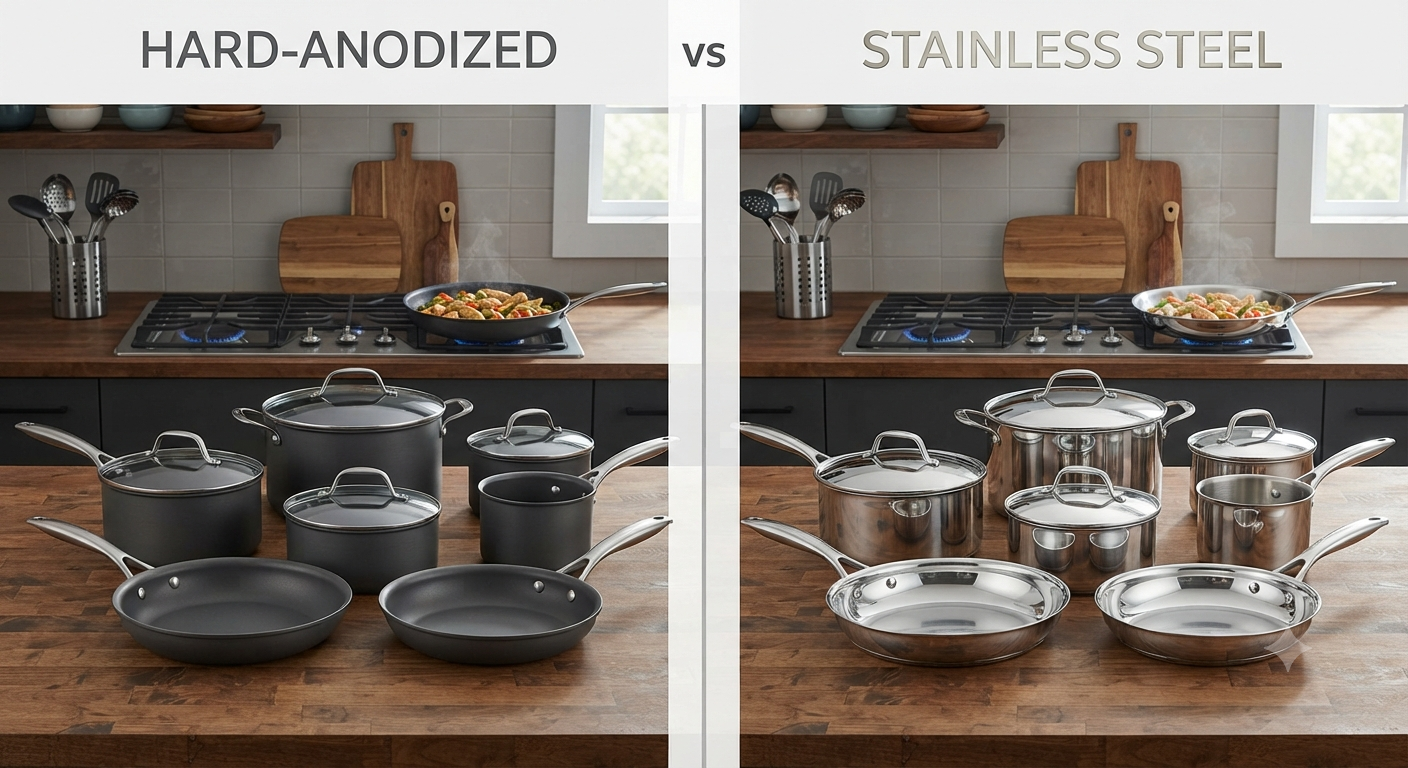
| Feature | Hard-Anodized Cookware | Stainless Steel Cookware |
| Material | Treated aluminum | Steel alloy |
| Weight | Lightweight | Heavier |
| Heat Conductivity | Excellent | Moderate unless layered |
| Durability | Very good | Excellent |
| Nonstick Ability | Usually better | Requires proper technique |
| High Heat Cooking | Limited with coatings | Excellent |
| Maintenance | Easier cleanup | Requires more care |
| Lifespan | Several years | Decades with proper care |
| Best For | Everyday cooking | Professional-style cooking |
Heat Performance and Cooking Results
Heat distribution is one of the most important factors when choosing cookware.
Hard-Anodized Cookware Heat Performance
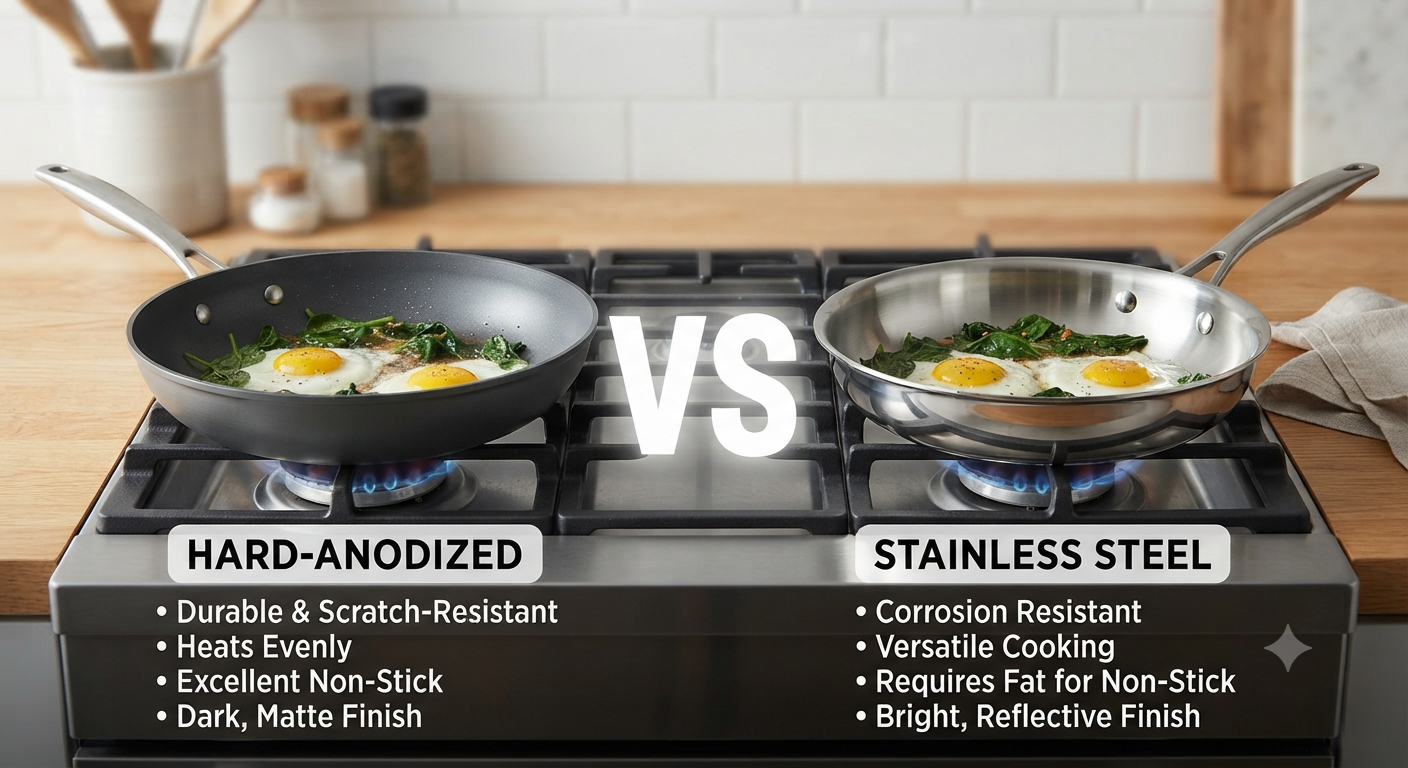
Aluminum is naturally an excellent heat conductor. Hard-anodized cookware heats quickly and distributes heat evenly across the cooking surface.
This makes it ideal for:
- Eggs
- Pancakes
- Vegetables
- Fish
- Quick sautéing
The downside is that some hard-anodized cookware with nonstick coatings cannot handle extremely high temperatures.
Stainless Steel Heat Performance
Stainless steel alone does not conduct heat as efficiently as aluminum. However, premium stainless steel cookware often includes aluminum or copper cores to improve heat distribution.
It performs especially well for:
- Searing meat
- Browning vegetables
- Deglazing sauces
- High-temperature cooking
For chefs seeking restaurant-style results, stainless steel often offers more control.
Durability and Longevity
When comparing hard-anodized and stainless steel cookware, durability is a key consideration.
Hard-Anodized Durability
Hard-anodized aluminum is much stronger than regular aluminum. It resists dents and scratches better than traditional aluminum cookware.
However, many hard-anodized pans have nonstick coatings, which may wear over time. Proper care is required:
- Avoid metal utensils
- Avoid abrasive cleaners
- Do not overheat empty pans
Stainless Steel Durability
Stainless steel is one of the most durable cookware materials available. High-quality stainless steel cookware can last decades and is often passed down through generations.
It can withstand:
- High temperatures
- Metal utensils
- Oven use
- Frequent washing
For long-term investment, stainless steel generally has the advantage.
Nonstick Performance and Food Release
One of the biggest differences between these cookware types is food release.
Hard-Anodized Cookware
Most hard-anodized cookware is designed with a nonstick surface. This makes cooking easier because:
- Food does not stick easily
- Less oil is required
- Cleanup is faster
It is especially useful for beginners or people who cook quick meals daily.
Stainless Steel Cookware
Stainless steel is not naturally nonstick. However, when heated correctly and used with proper cooking techniques, it can release food effectively.
Tips for cooking with stainless steel:
- Preheat the pan before adding ingredients.
- Add enough oil or fat.
- Allow food to naturally release before flipping.
Many experienced cooks prefer stainless steel because it creates better browning and flavor development.
Safety Considerations
Both hard-anodized and stainless steel cookware are generally considered safe when used correctly.
Hard-AnodizedSafety
The anodization process creates a stable surface that reduces aluminum exposure. However, if the nonstick coating becomes damaged or starts peeling, replacing the cookware is recommended.
Stainless Steel Safety
Stainless steel is widely regarded as a safe and durable cookware material. Some people may have sensitivities to nickel or other metals in certain stainless steel alloys, although this is uncommon.
Cleaning and Maintenance
Cleaning Hard-Anodized Cookware
Advantages:
- Easy food removal
- Less scrubbing required
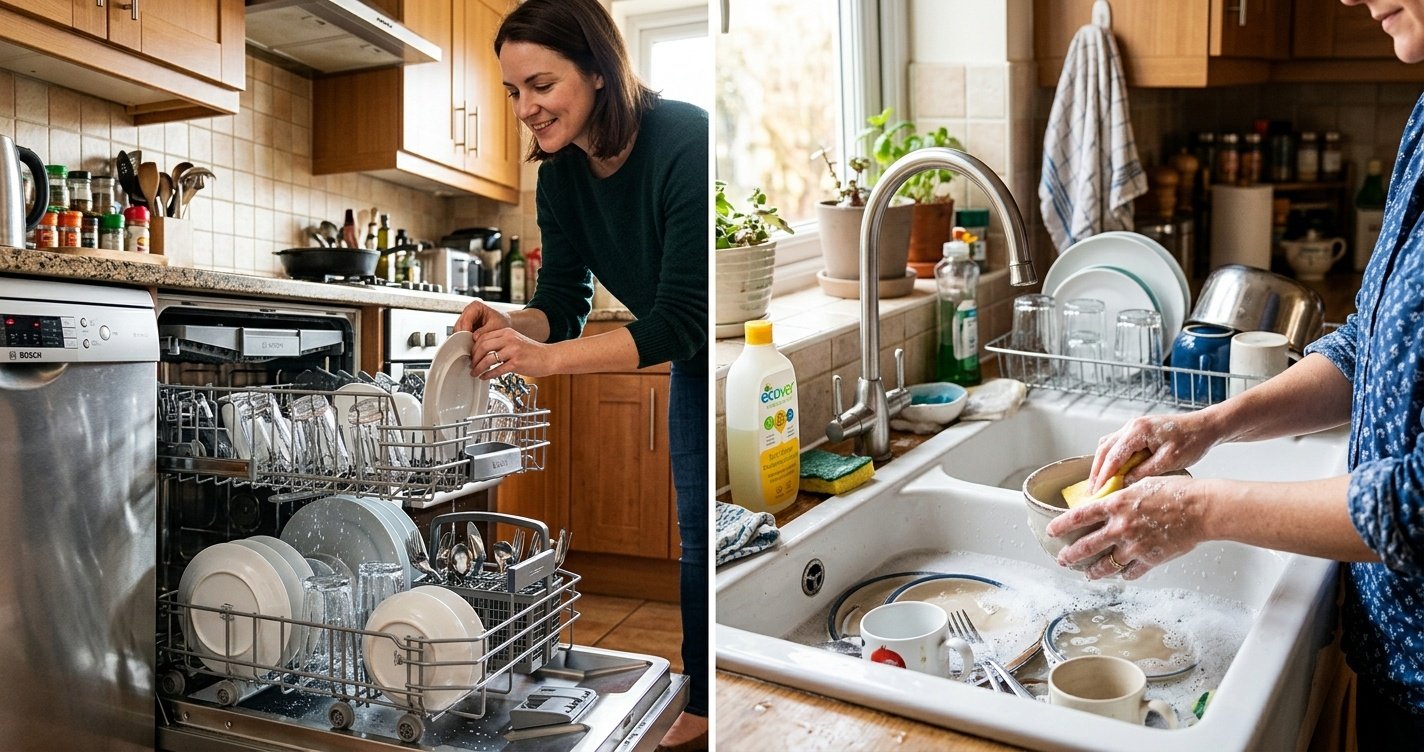
- Usually dishwasher safe (check manufacturer instructions)
Care tips:
- Use soft sponges
- Avoid harsh abrasives
- Do not use metal scrubbers
Cleaning Stainless Steel Cookware
Stainless steel may require more effort because food can stick.
Cleaning methods:
- Soak stubborn residue
- Use baking soda for stains
- Use stainless steel cleaners for polishing
The extra maintenance is balanced by its long lifespan.
Best Uses for Each Cookware Type
Choose Hard-Anodized Cookware If You:
- Want lightweight cookware
- Prefer easy cleanup
- Cook everyday meals
- Like nonstick surfaces
- Want affordable performance
Best for:
- Breakfast foods
- Vegetables
- Pasta
- Quick meals
- Family cooking
Choose Stainless Steel Cookware If You:
- Want cookware that lasts decades
- Enjoy advanced cooking techniques
- Cook at high temperatures
- Want professional-quality results
- Prefer chemical-free cooking surfaces
Best for:
- Steak
- Stir-frying
- Sauces
- Roasting
- Restaurant-style recipes
Hard-Anodized vs Stainless Steel Cookware: Pros and Cons
Hard-Anodized Cookware
Pros
✔ Excellent heat distribution
✔ Lightweight design
✔ Easy food release
✔ Affordable
✔ Comfortable for daily use
Cons
✘ Nonstick coating may wear out
✘ Not ideal for extremely high heat
✘ Requires careful cleaning
Stainless Steel Cookware
Pros
✔ Extremely durable
✔ Handles high temperatures
✔ Excellent for browning and searing
✔ Long lifespan
✔ Oven-safe options available
Cons
✘ Food may stick without proper technique
✘ Heavier than aluminum cookware
✘ Usually more expensive
Which Cookware Is Better: Hard-Anodized or Stainless Steel?
The answer depends on your cooking style.
Hard-anodized cookware is better for convenience and everyday cooking. It heats quickly, offers excellent food release, and is easy to maintain.
Stainless steel cookware is better for durability and professional cooking performance. It provides superior versatility and can last for decades.
For many kitchens, the best solution is owning both:
- Hard-anodized pans for quick breakfasts and everyday meals
- Stainless steel cookware for searing, sauces, and high-temperature cooking
Frequently Asked Questions (FAQs)
Is hard-anodized cookware better than stainless steel?
Neither is universally better. Hard-anodized cookware is easier to use and clean, while stainless steel offers greater durability and high-temperature performance.
Does stainless steel last longer than hard-anodized cookware?
Yes. High-quality stainless steel cookware can last decades, while hard-anodized cookware with nonstick coatings usually has a shorter lifespan.
Is hard-anodized cookware safe for daily cooking?
Yes, quality hard-anodized cookware is generally safe for everyday cooking when maintained properly.
Can you cook acidic foods in hard-anodized cookware?
Many modern hard-anodized cookware pieces are designed to handle acidic foods, but always follow the manufacturer’s recommendations.
Which cookware is best for beginners?
Hard-anodized cookware is often better for beginners because it is lightweight, forgiving, and easier to clean.
Which cookware do professional chefs use?
Many professional chefs prefer stainless steel because it supports high-heat cooking techniques and produces excellent browning.
Final Verdict
When comparing hard-anodized vs stainless steel cookware, there is no single winner for everyone.
- Choose hard-anodized cookware for convenience, easy cooking, and everyday meals.
- Choose stainless steel cookware for durability, versatility, and professional-level performance.
The ideal cookware collection combines both materials, giving you the advantages of fast heating, easy cleanup, and long-lasting performance.