Yes, for most buyers. According to Yale Appliance‘s 2026 service-call data, Bosch runs a 7.8% service rate — second only to Miele among the brands it services, and well ahead of most competitors. Consumer Reports’ testing similarly places Bosch at the top of its dishwasher rankings, with Bosch models accounting for the entire top 10 among full-size (24-inch) dishwashers tested. That said, “worth it” varies by series — not every Bosch model at every price point earns its cost, and picking the right tier matters more than the Bosch name alone.
Read More: Steps to Install a Dishwasher: A Full DIY Guide
Table of contents
Why Bosch Has This Reputation
Bosch‘s standing isn’t just marketing — it’s backed by independent, real-world service data. Yale Appliance’s reliability rankings, rebuilt annually from actual service calls rather than warranty cards or customer surveys, placed Bosch’s brand-wide service rate at 7.8% in 2026, trailing only Miele. Consumer Reports’ lab testing tells a similar story: one Bosch 800 Series model earned the top spot among 18-inch dishwashers, and Bosch’s premium Benchmark models tied for first place among full-size dishwashers at a score of 85 out of 100. Owners consistently cite the same two strengths across review sources: whisper-quiet operation and long-term reliability, with individual accounts online reporting two decades of trouble-free use.
That said, reliability and “worth it” aren’t quite the same question — a dishwasher can be reliable and still not deliver enough value for its specific price point, which is where the series-by-series breakdown matters.
Which Bosch Series Are Actually Worth Buying?
Not every Bosch series delivers equal value, even though reliability is broadly consistent across the lineup. According to Yale Appliance’s 2026 breakdown:
Bosch 100 Series — Skip Unless Budget Is Your Only Priority
Starting around $729, the 100 Series is reliable and fixed several past issues (an all-stainless tub, a full-weight door, AquaStop leak protection). But it still runs loud at 48 dB, has shallow racks, and lacks a third rack entirely. At the step-up $949 price point, it adds little beyond a built-in look — competitors like the KitchenAid KDFS324 offer a quieter machine with a third rack for less money at a similar price tier.
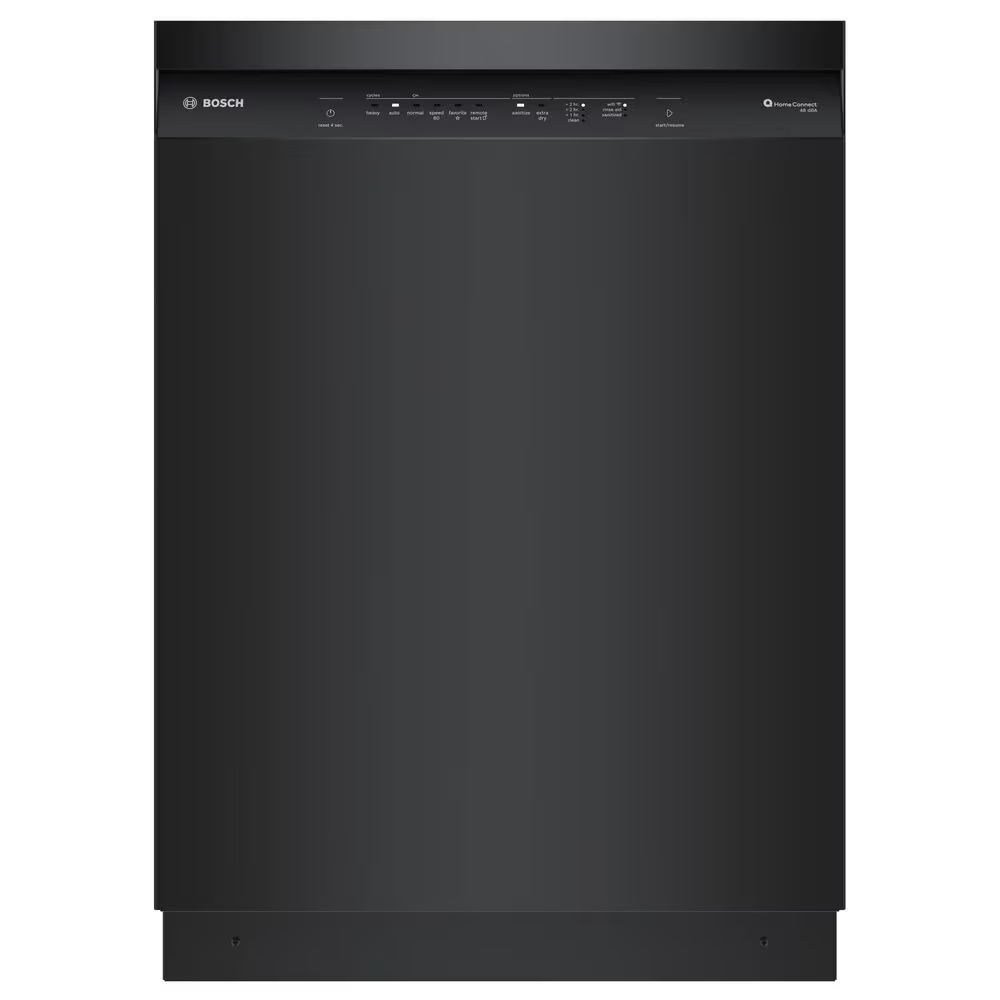
Bosch 300 Series — A Reasonable Middle Step
For about $150 more than the step-up 100 Series, the 300 Series adds a third rack and runs quieter at 46 dB. It’s a sensible choice specifically if you want to stay within the Bosch lineup and a third rack matters to you, but it still competes in a price range where other brands offer comparable value.
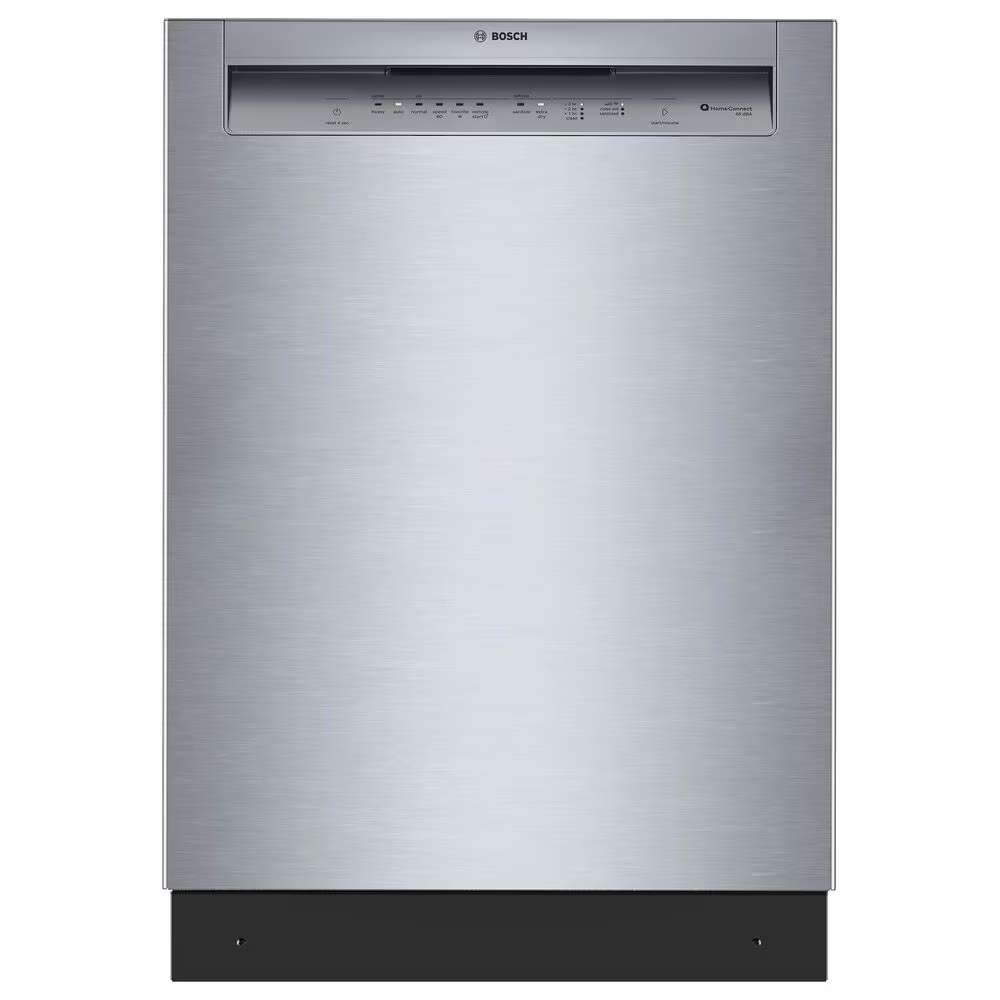
Bosch 500 Series — Best Value Pick
Priced around $1,079–$1,169, Yale Appliance names the 500 Series its top value recommendation in the current lineup — quiet operation and strong pop-open drying performance at a price that undercuts the flagship tier.
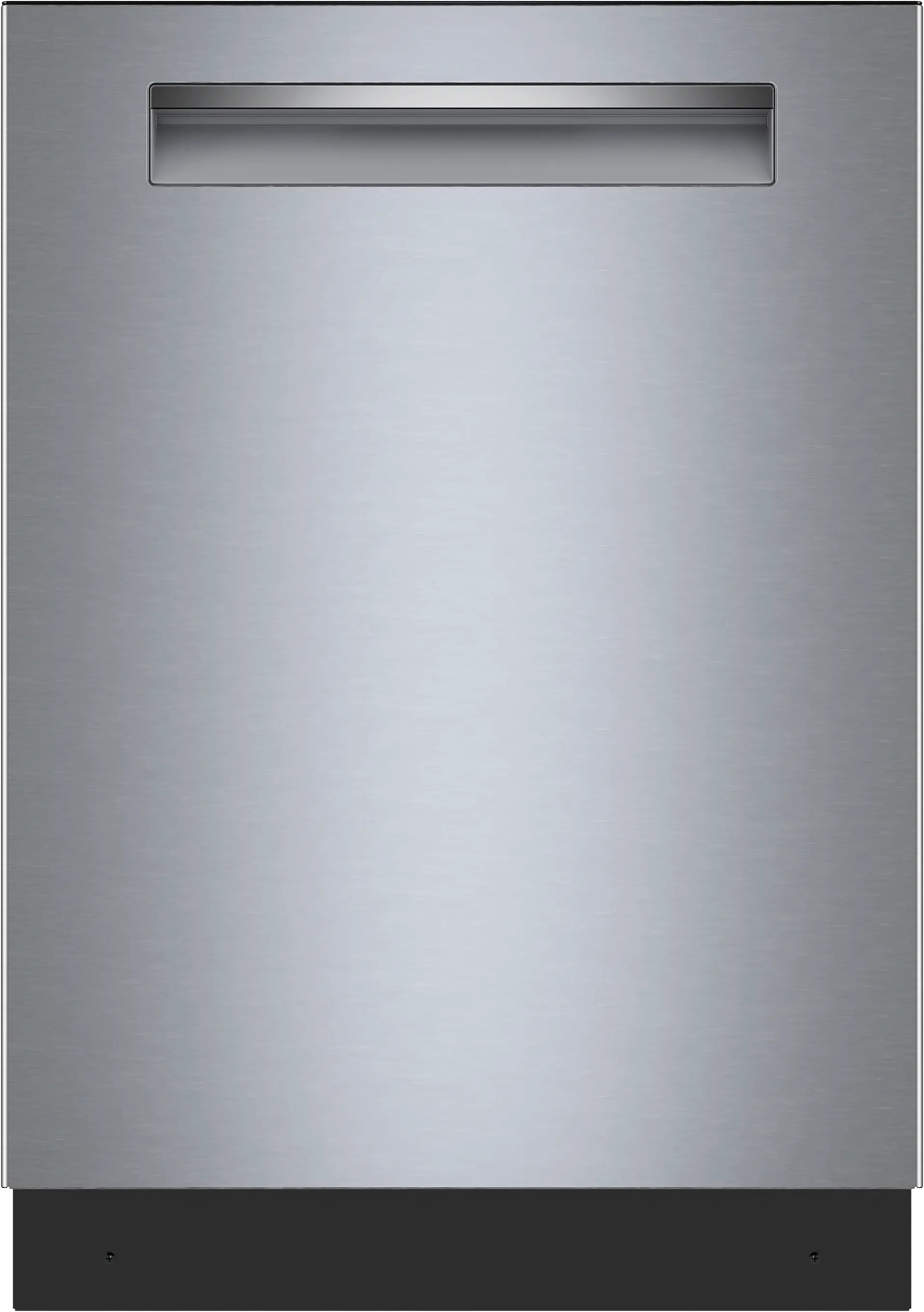
Bosch 800 Series — The Best Bosch You Can Buy
At roughly $1,259–$1,399, the 800 Series adds CrystalDry (Bosch’s most advanced drying technology) and PowerControl, letting you adjust wash intensity. Multiple review sources, including Reviewed, name a Bosch 800 Series model as the single best dishwasher currently available across brands, not just within Bosch’s own lineup.
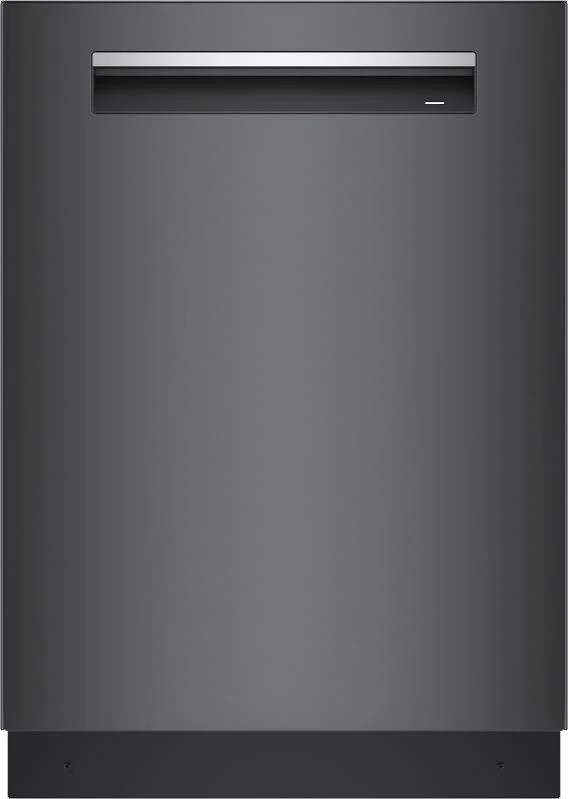
Bosch Benchmark — Skip Unless You Need the Water Softener
At around $1,799, Benchmark services at essentially the same rate as the base Bosch lineup — you’re no longer paying for extra reliability at this tier. It’s only worth the premium if you specifically need its built-in water softener feature; otherwise, the 800 Series delivers nearly identical performance for meaningfully less.
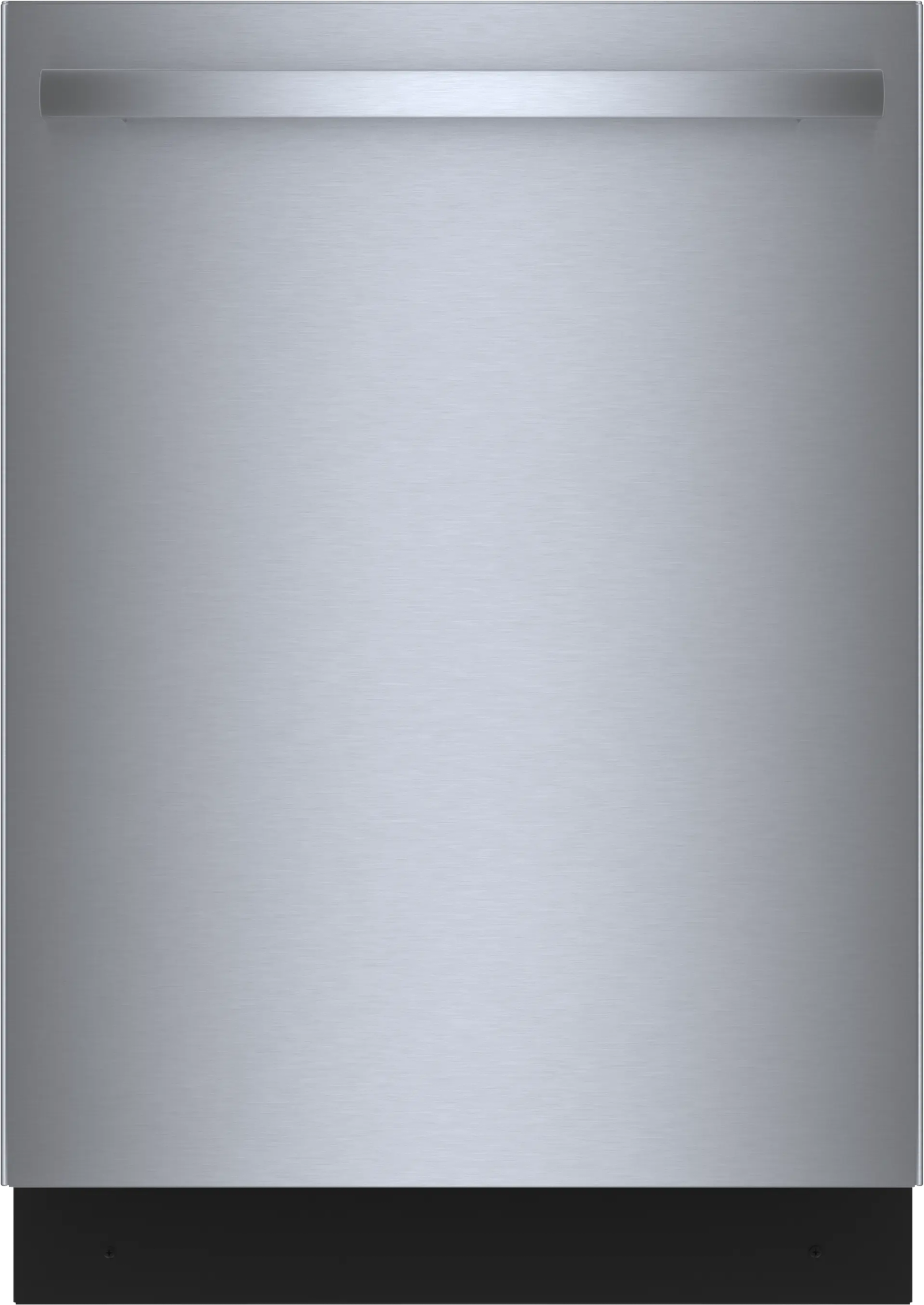
Bosch Dishwashers Compared by Series
| Series | Approx. Price | Noise Level | Third Rack | Worth It? |
| 100 | $729–$949 | 48 dB | No | Only at the base $729 price |
| 300 | ~$1,099 | 46 dB | Yes | Reasonable mid-tier step |
| 500 | $1,079–$1,169 | Quiet | Yes | Best value pick |
| 800 | $1,259–$1,399 | Very quiet | Yes | Best overall performance |
| Benchmark | ~$1,799 | Quietest | Yes | Only for the water softener |
What to Know Before You Buy
Drying Performance Requires a Bit of Habit Adjustment
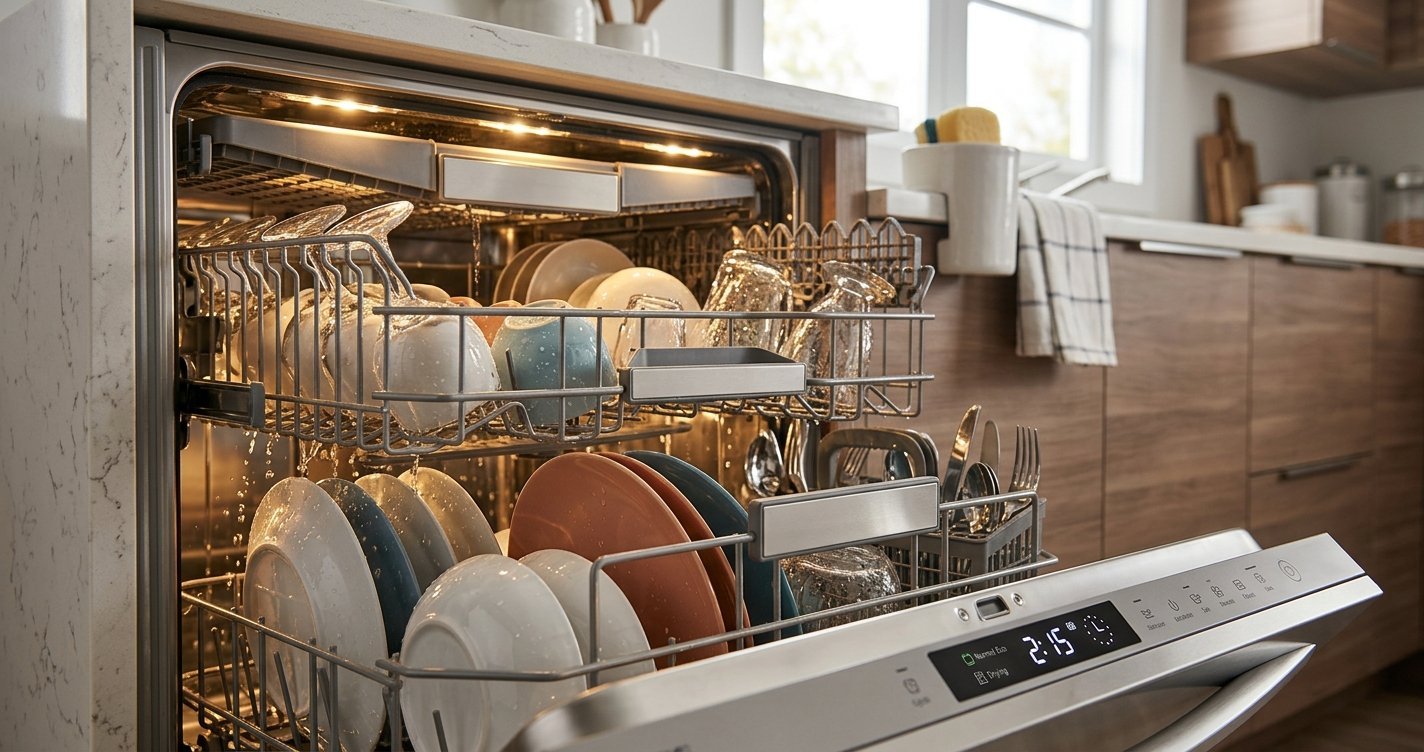
Many Bosch dishwashers use condensation drying, which pulls moisture toward the cool stainless steel walls rather than using an exposed heating element. If dishes come out excessively wet, it’s often because rinse aid wasn’t used, or the door wasn’t opened shortly after the cycle finished — not a sign of a malfunctioning machine.
You Generally Don’t Need a Water Softener
Unless you’re specifically drawn to the Benchmark tier for its built-in water softener, most Bosch dishwashers perform well without one, even in moderately hard water areas.
Even a Reliable Dishwasher Has Limits
Regardless of tier, certain items should never go in any dishwasher, Bosch included — non-stick pans, cast iron, wooden utensils, and crystal don’t hold up well to the sustained heat, moisture, and humidity of a wash cycle.
Routine Maintenance Still Matters
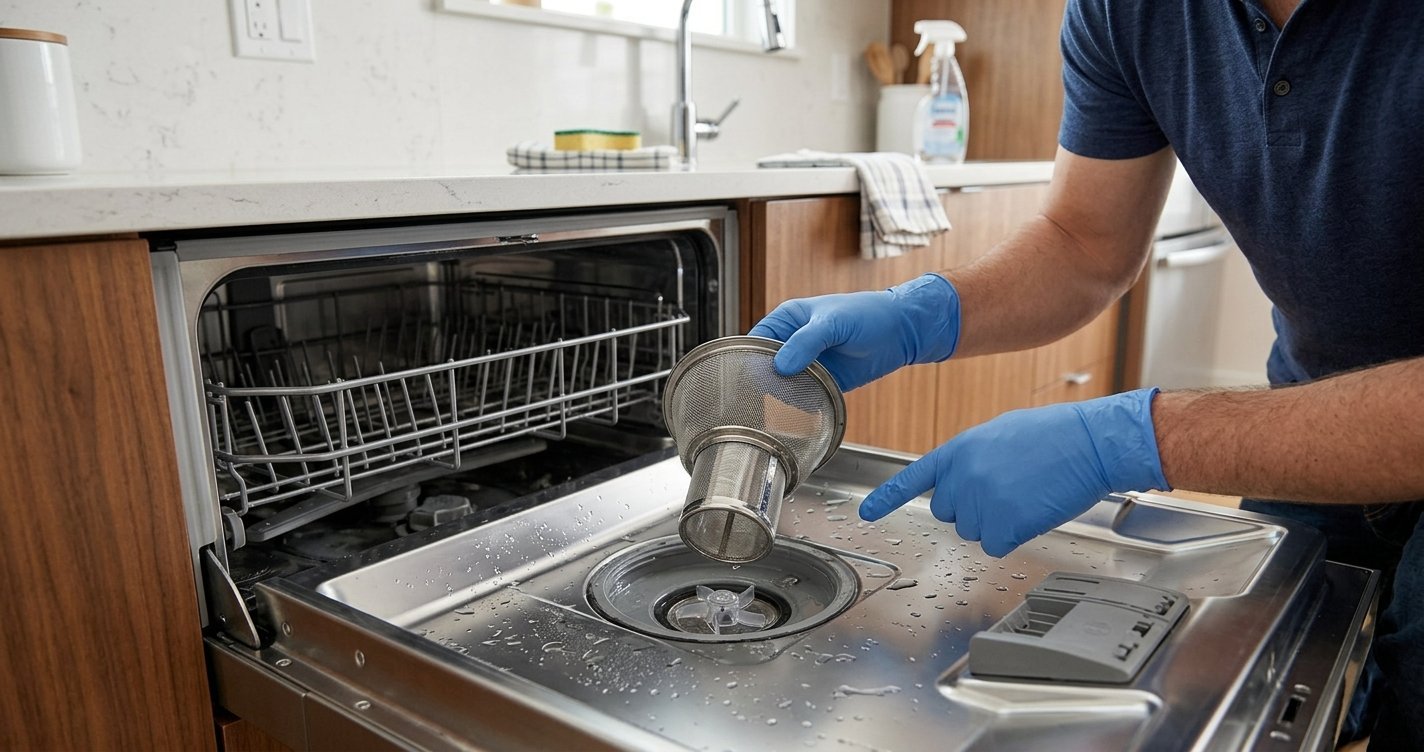
Even the most reliable Bosch dishwasher benefits from basic upkeep — a monthly filter clean and periodic descaling go a long way toward avoiding the small percentage of service calls that do occur.
Frequently Asked Questions
Are Bosch dishwashers reliable?
Yes — 2026 service-call data from Yale Appliance places Bosch at a 7.8% service rate, second only to Miele among the brands they service, and well ahead of most competitors in the category.
What is the best Bosch dishwasher to buy in 2026?
The 800 Series is widely considered the best overall Bosch model, combining CrystalDry drying technology, PowerControl wash intensity settings, and strong reliability at a price around $1,259–$1,399. The 500 Series is the better pick if you want strong performance at a lower price.
Is the Bosch 100 Series worth buying?
Only at its base price point (around $729) if budget is your top priority. It lacks a third rack and runs louder than higher tiers, and the step-up 100 model doesn’t add enough value to justify the extra cost compared to competitors at a similar price.
Are Bosch dishwashers quieter than other brands?
Generally, yes. Flagship Bosch models can run below 40 dB, quieter than a soft conversation, and even the entry-level 100 Series remains competitive in its price range at 48–50 dB.
Do Bosch dishwashers really last a long time?
Owner reports and reliability data both support this — some users report 15–20 years of trouble-free use, and Bosch’s brand-level service rate remains near the top of the industry each year.
Do I need a water softener with a Bosch dishwasher?
Not typically. Most Bosch dishwashers perform well without one; a water softener becomes relevant mainly if you’re specifically considering the Benchmark tier, which includes it as a built-in feature.
Conclusion
Bosch dishwashers are worth it for most buyers — the reliability data and independent lab testing back up the reputation, and it’s not just marketing. But “worth it” isn’t the same question as “which one should I buy,” and that’s where picking the right series actually matters. Skip the base 100 Series unless price is your only concern, and skip the Benchmark tier unless you specifically want its water softener. For most households, the 500 Series delivers the best value, while the 800 Series is worth the extra cost if drying performance and wash-intensity control matter to you. Match the series to your actual needs and budget, and a Bosch dishwasher is a genuinely strong long-term investment.