Bosch dishwashers are known for their quiet operation, efficient cleaning, and reliable performance. However, like any appliance, they can develop problems over time. Understanding the most common Bosch dishwasher issue can help you identify the cause and determine whether you can fix it yourself or need professional assistance.
Common problems include poor cleaning, drainage issues, water not entering the dishwasher, unusual noises, error codes, and dishes that remain wet after a cycle.
Read More: E21 Bosch Dishwasher Error: Causes and Fixes
Table of contents
What Is the Most Common Bosch Dishwasher Issue?
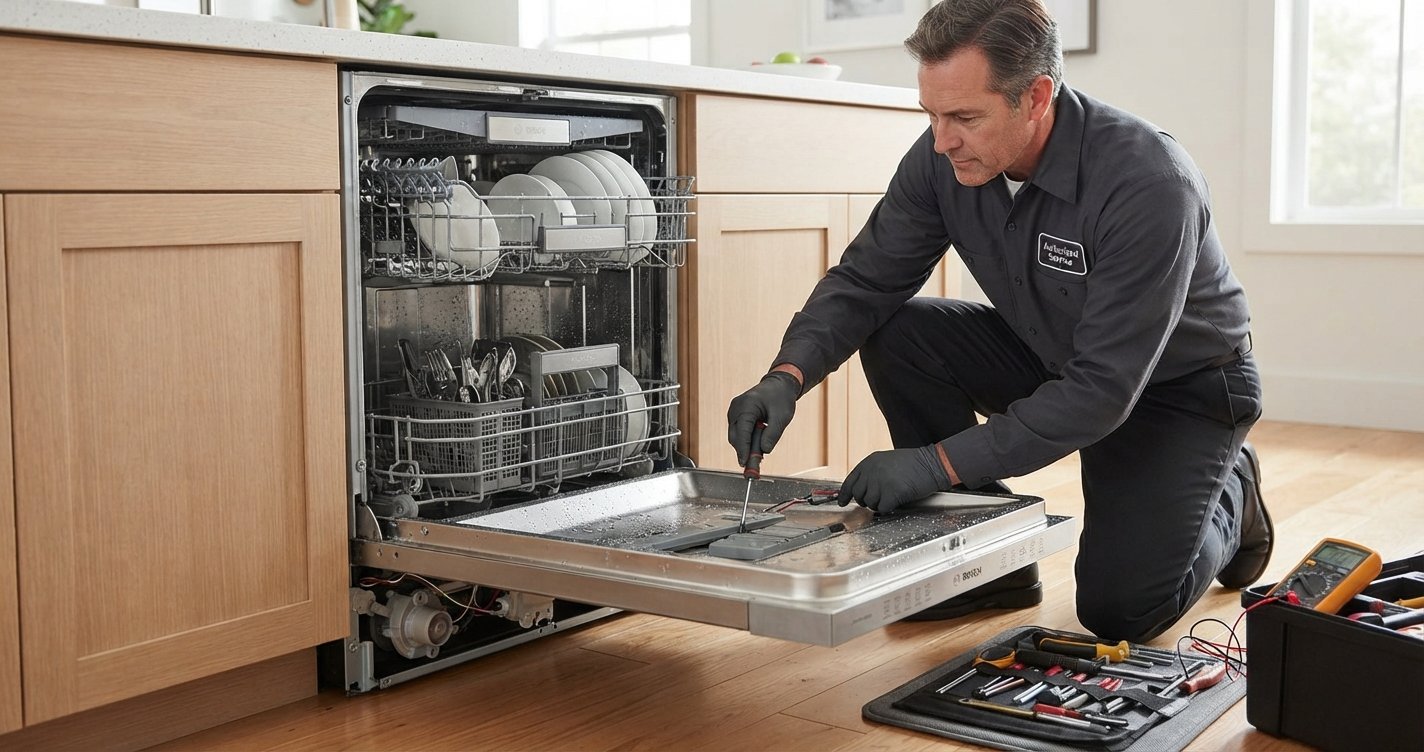
One of the most common issues with Bosch dishwashers is drainage problems. If your dishwasher does not drain properly, standing water may remain at the bottom of the tub after the cycle ends.
A clogged filter, blocked drain hose, food debris, or a problem with the drain pump can prevent proper drainage. Before assuming there is a major mechanical failure, check the dishwasher filter and drain area for visible debris.
Common Bosch Dishwasher Problems
Although drainage issues are frequent, Bosch dishwashers can experience several other problems.
1. Dishwasher Not Draining
Water left inside the dishwasher is often caused by a restricted drainage system.
Possible causes include:
- A dirty or clogged filter
- Food debris around the drain
- A blocked drain hose
- A clogged garbage-disposal connection
- A malfunctioning drain pump
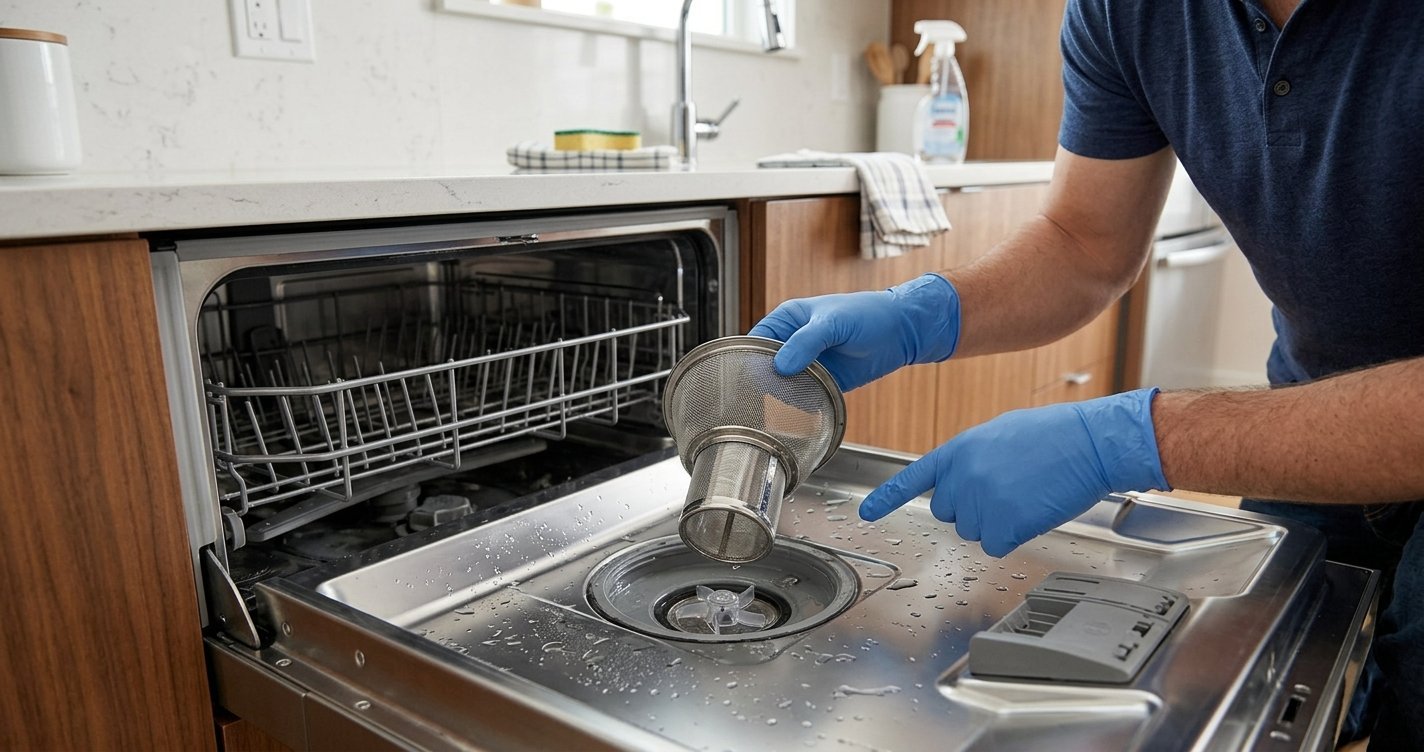
Start by turning off the dishwasher and cleaning the filter according to the manufacturer’s instructions. If water still remains, the drain hose and pump may require further inspection.
2. Bosch Dishwasher Not Cleaning Properly
If dishes come out dirty, the problem may not necessarily be the detergent. Spray arms can become blocked by food particles or mineral buildup, preventing water from reaching the dishes effectively.
Check that:
- The spray arms can rotate freely.
- Spray-arm openings are not blocked.
- The filter is clean.
- Dishes are loaded without blocking the spray arms.
- You are using an appropriate dishwasher detergent.
Overloading the dishwasher can also reduce cleaning performance because water cannot circulate effectively.
3. Bosch Dishwasher Not Filling With Water
A dishwasher that starts but does not fill may have a problem with the water supply or inlet system.
Potential causes include a closed water-supply valve, a kinked supply line, a clogged inlet filter, or a faulty water inlet valve.
First, make sure the household water supply to the dishwasher is turned on. If the dishwasher still does not fill, additional diagnosis may be necessary.
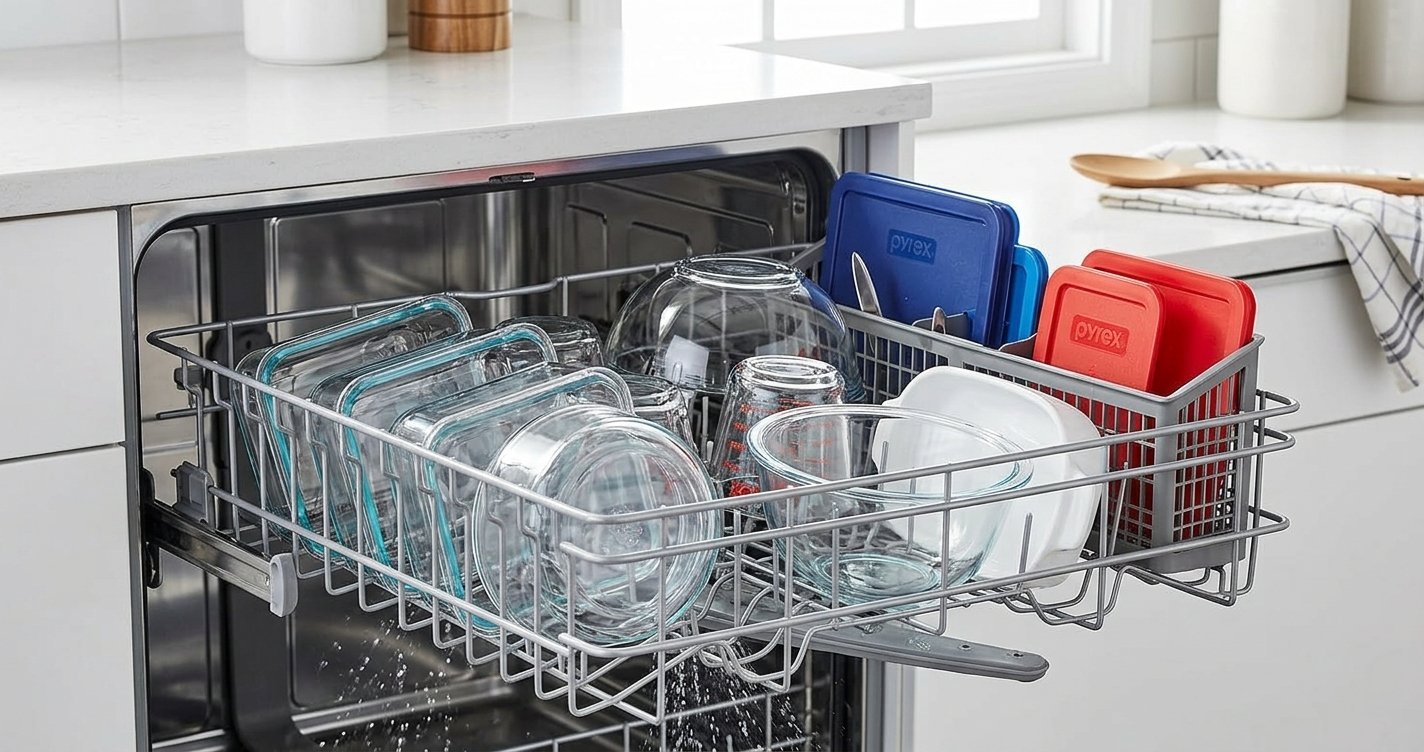
4. Bosch Dishwasher Not Drying Dishes
Bosch dishwashers use different drying technologies depending on the model. If dishes remain unusually wet, factors such as the selected cycle, loading pattern, rinse aid, or drying system can play grinding, rattling, or unusually loud noises may indicate debris in the pump or spray-arm a role.
Plastic containers commonly retain more water than glass or ceramic dishes.
If everything is properly loaded and the dishwasher still consistently leaves dishes excessively wet, consult the owner’s manual for your specific model.
5. Bosch Dishwasher Making Strange Noises
Some operating sounds are normal. You may hear water spraying, draining, or the circulation pump operating during a cycle.
However, grinding, rattling, or unusually loud noises may indicate debris in the pump or spray-arm area or a component that needs inspection.
Checking for loose items inside error code can help narrow down the problem, but it does not always mean that a specific component must be replaced; removing visible debris can often fix it. Then, check the dishwasher and inspect the spray arms for anything obstructing their movement.
6. Bosch Dishwasher Showing an Error Code
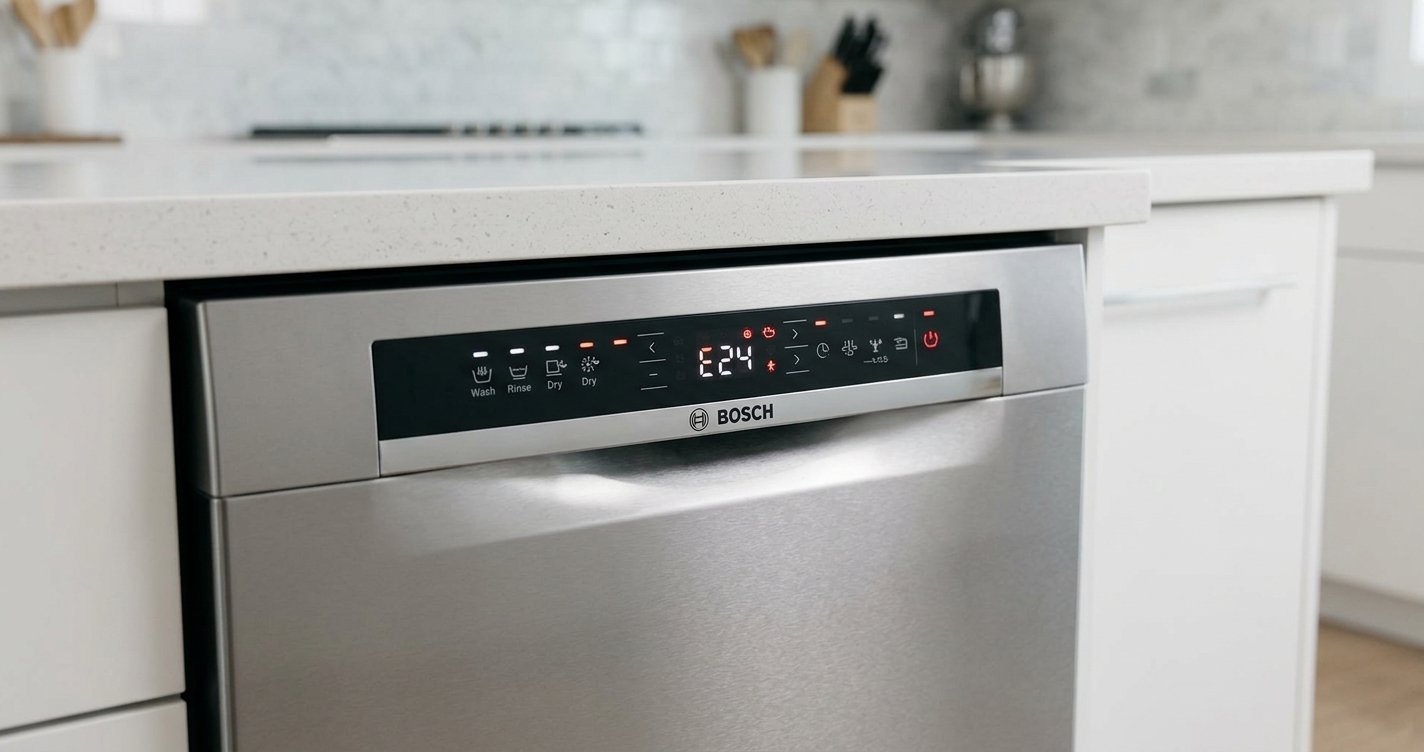
Bosch dishwashers can display error codes when the appliance detects a problem. The meaning of an error code varies by model.
Rather than guessing what a code means, look up the code in your dishwasher’s owner’s manual or Bosch’s official support documentation for the exact model.
An error code can help narrow down the problem, but it does not always mean that a specific component must automatically be replaced.
How to Troubleshoot a Bosch Dishwasher
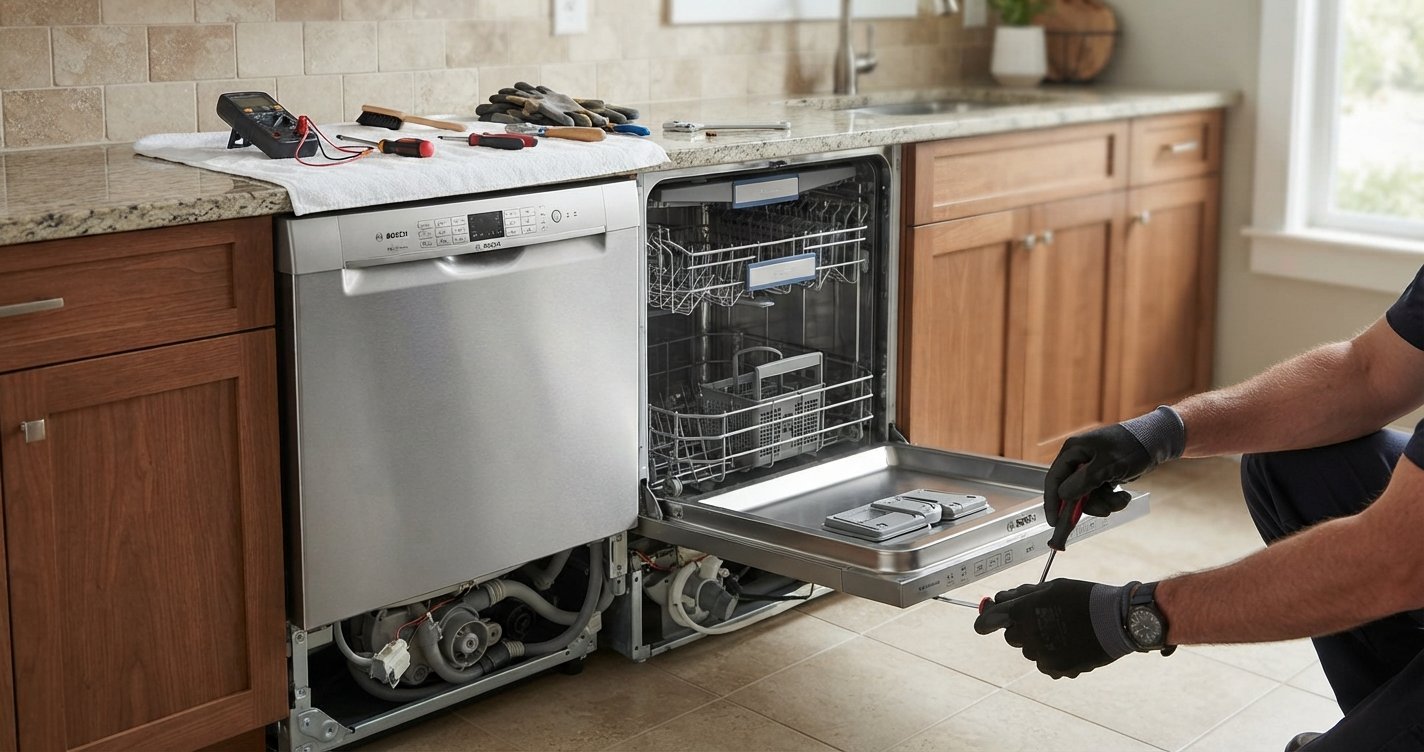
If your Bosch dishwasher is not working correctly, use a systematic approach instead of immediately replacing parts.
Step 1: Check the Power
Make sure the dishwasher is receiving power and that the circuit breaker has not tripped.
Step 2: Check the Water Supply
Confirm that the water-supply valve is open and that the supply line is not kinked.
Step 3: Clean the Filter
A dirty filter can contribute to drainage and cleaning problems. Remove and clean it according to the instructions for your model.
Step 4: Inspect the Spray Arms
Make sure the spray arms rotate freely and their openings are not blocked.
Step 5: Check the Drain Area
Remove accessible food debris or other obstructions around the drain area.
Step 6: Check for Error Codes
If the dishwasher displays an error code, refer to the documentation for your specific model before attempting further repairs.
When Should You Call a Dishwasher Repair Professional?
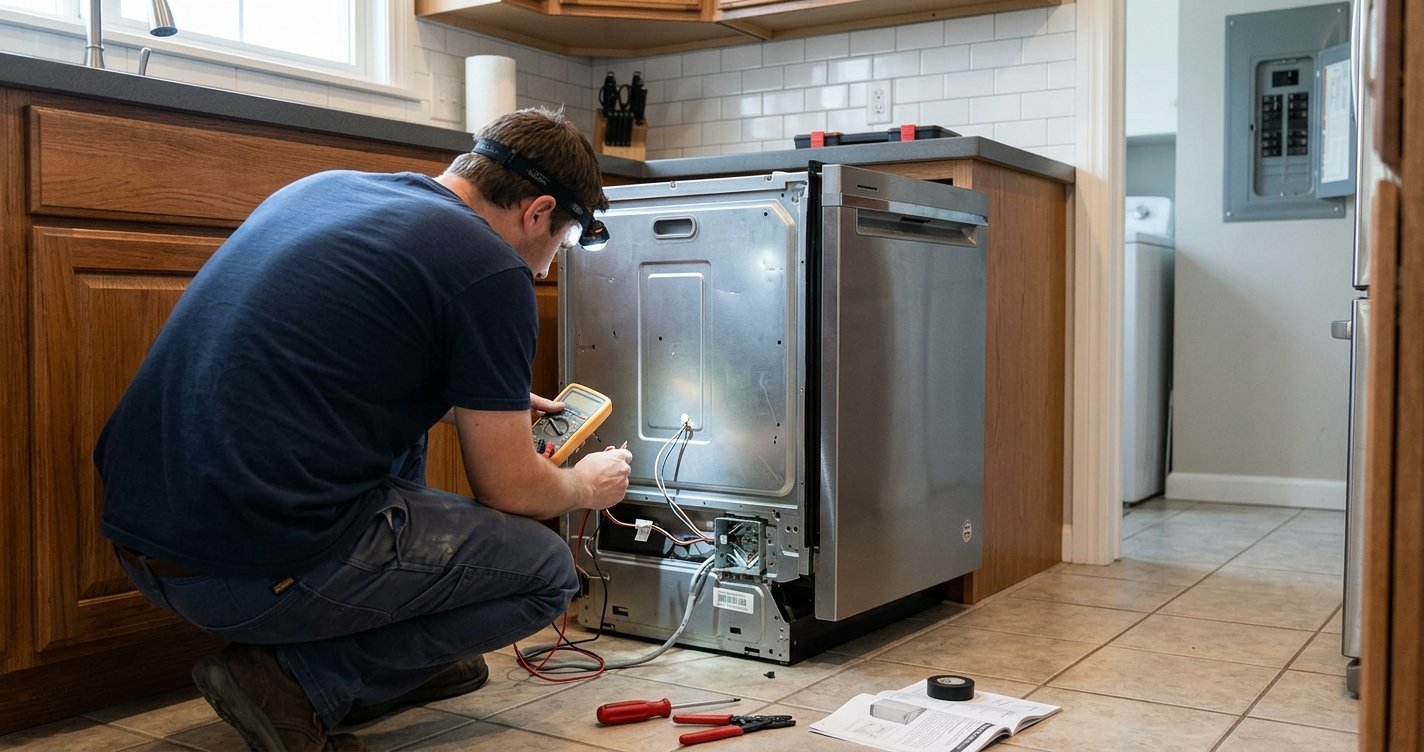
Simple maintenance, such as cleaning the filter or removing visible debris, can often be performed by a homeowner. More complicated problems may require professional diagnosis.
Consider getting professional help if:
- The dishwasher repeatedly stops during cycles.
- It continues to leak.
- The drain pump does not operate correctly.
- The dishwasher does not fill despite having an adequate water supply.
- An error code persists after basic troubleshooting.
- There is an electrical or wiring problem.
- You need to replace an internal component.
Because dishwashers combine electricity and water, disconnect the appliance from power before performing any maintenance that requires accessing internal components.
How Can You Prevent Common Bosch Dishwasher Issues?
Regular maintenance can reduce the likelihood of many dishwasher problems.
Clean the filter regularly, remove large food particles before loading dishes, avoid overloading the racks, and keep the spray arms unobstructed. Using the appropriate detergent and rinse aid for your model can also support good water may be caused by a clogged filter, blocked drain area, restricted drain hose, or drain-pump problem. Start cleaning and drying performance.
It is also helpful to follow the maintenance recommendations in your Bosch dishwasher’s owner’s manual because procedures can differ between models.
FAQs About the Most Common Bosch Dishwasher Issue
What is the most common problem with a Bosch dishwasher?
Drainage problems are among the common issues Bosch dishwasher owners encounter. A clogged filter, drain path, hose, or pump can prevent water from leaving the dishwasher properly.
Why is my Bosch dishwasher leaving water at the bottom?
Standing water may be caused by a clogged filter, blocked drain area, restricted drain hose, or drain-pump problem. Start by checking and cleaning the filter.
Why is my Bosch dishwasher not cleaning dishes?
Dirty filters, blocked spray arms, improper loading, insufficient detergent, or unsuitable cycle settings can affect cleaning performance.
Why is my Bosch dishwasher not drying?
Wet dishes can result from the selected cycle, how dishes are loaded, the type of dishware, or the dishwasher’s drying system. Plastic items often remain wetter than other dishes.
Should I reset my Bosch dishwasher?
A reset may help when the dishwasher has experienced a temporary control issue, but it does not fix an underlying mechanical or plumbing problem. If, filling difficulties, inadequate drying, unusual noises, and error codes can also occur. The best approach is to identify the symptoms, check simple causes such as filters, spray arms, water supply, and drainage, and then consult the model, pumps, or internal parts—professional diagnosis is the safer choice. Regular filter cleaning, proper loading, the problem returns, further troubleshooting is needed.
How often should I clean my Bosch dishwasher filter?
The filter should be checked and cleaned regularly, particularly if you frequently wash heavily soiled dishes. Follow the cleaning frequency recommended for your specific Bosch model.
Conclusion
The most common Bosch dishwasher issue is often related to drainage, but problems such as poor cleaning, filling difficulties, inadequate drying, unusual noises, and error codes can also occur. The best approach is to identify the symptoms, check simple causes such as filters, spray arms, water supply, and drainage, and then consult the model-specific documentation.
If basic troubleshooting does not solve the problem—or the issue involves electrical components, leaks, pumps, or internal parts—professional diagnosis is the safer choice. Regular filter cleaning, proper loading, and routine maintenance can also help keep a Bosch dishwasher operating efficiently.